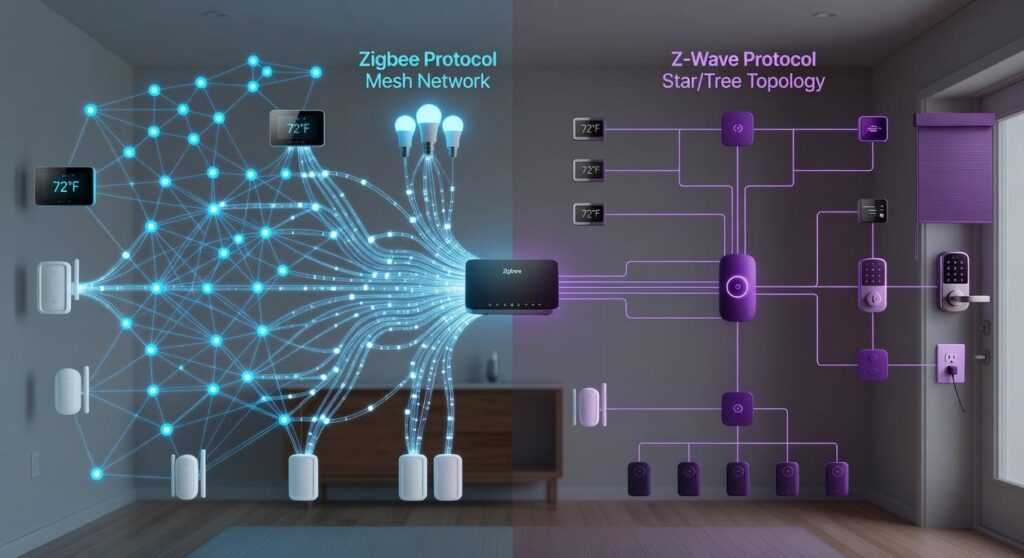

Juggling groceries while trying to turn on the lights can be a real hassle. And how many times have you left home and wondered if you adjusted the thermostat? Smart home technology seems complex, expensive, and fragmented, with countless brands and protocols.
It’s overwhelming.
This article is here to help. I promise to provide a clear, simple roadmap for beginners to start integrating smart devices without the headache. Creating a connected home is now more accessible and affordable than ever before.
You’ll learn about enhanced convenience, improved security, and potential energy savings. Trust me, it’s worth it.
What Does ‘Smart Home Integration’ Actually Mean?
Let’s get real. Smart home integration is all about making different smart devices from various brands work together as a single, cohesive system. Think of it like an orchestra where a conductor (the hub) ensures all instruments (the devices) play in harmony.
The three key components of any integrated system are:
– Devices: These are the gadgets like lights, locks, and thermostats.
– Network: This is usually your Wi-Fi, which connects everything.
– Controller: This could be a hub or an app that manages it all.
Now, a simple smart device, like a single smart plug, can turn on and off with a tap on your phone. But a truly integrated system? That’s where the magic happens.
For example, a smart plug can be triggered by a door sensor, turning on a light when you walk into a room.
So, what are the primary goals of integration?
– Automated Routines: Like a “Good Morning” scene that turns on the lights, starts the coffee, and adjusts the thermostat.
– Voice Control: You can control multiple actions with just your voice.
– Centralized Notifications: Get all your alerts in one place, so you don’t miss a thing.
Pro tip: Start small. Add a few devices and see how they work together. Then, gradually build up your system.
It’s like adding one instrument at a time to your orchestra. Before you know it, you’ll have a symphony of smart devices working in perfect harmony.
Choosing Your System’s Brain: Hubs and Ecosystems
When you start building a smart home, the first big decision is picking your ecosystem. Think of it as the brain that controls everything.
The main players are Amazon Alexa, Google Home, and Apple HomeKit. Each has its strengths and quirks.
A smart hub or speaker, like an Echo Dot or Google Nest Mini, acts as the central command center. It’s where you give voice commands and set up routines.
Let’s break down the key points:
- Device Compatibility: How many devices can work with it?
- Ease of Setup for Beginners: Is it easy to get started?
- Voice Assistant Intelligence: How well does it understand and respond?
For device compatibility, Amazon and Google lead. They work with a wide range of third-party devices. Apple is more selective, but if you’re already in the Apple ecosystem, it might be a no-brainer.
Setting up is pretty straightforward with all three, but Google and Amazon have a slight edge. Their apps guide you step-by-step, making it easier for beginners.
In terms of intelligence, Google Assistant is often praised for its natural language processing. Alexa is close behind, and Siri (Apple) is catching up but still lags a bit.
Here’s a quick checklist to help you decide:
- Android User? Go with Google Home.
- iPhone User? Consider Apple HomeKit.
- Mixed Devices? Amazon Alexa might be your best bet.
Remember, choosing an ecosystem isn’t a permanent lock-in. You can always switch later. But having compatible devices makes the initial setup much smoother. lesbianas tetonas
Oh, and one last thing. Don’t stress too much about this choice. It’s not as complicated as it seems.
Just pick what fits your current tech and go from there. LESBIANAS TETONAS.
Three Easy Starter Projects for Your First Weekend

Start with an anecdote about the first time I tried to make my home a bit smarter. I was skeptical, thinking it would be a huge hassle. But once I started, I couldn’t believe how easy and rewarding it was.
Smart Lighting. Replacing a standard bulb with a smart bulb is a breeze. Just screw it in like any other bulb, connect it to your Wi-Fi, and you’re set.
You can also use a smart plug for a lamp. Set a schedule or control it with your voice. It’s a simple way to add a wow factor.
Imagine walking into a room and having the lights turn on automatically. It solves the problem of fumbling for switches in the dark.
Smart Thermostat. A smart thermostat is a game-changer. It saves energy and lets you control the temperature from anywhere.
The installation is straightforward. Turn off the power, remove the old thermostat, and follow the instructions to mount the new one. It’s a small change that makes a big difference.
No more coming home to a freezing house in the winter or a sweltering one in the summer.
Video Doorbell. Security and convenience are key here. Get notifications when someone is at your door or when a package arrives.
See who’s there right from your phone. It’s a simple install, usually just replacing your existing doorbell. This project adds a layer of safety and peace of mind.
Plus, it’s a great way to avoid missing deliveries.
These three devices are designed for easy, DIY installation. They provide a massive improvement in daily convenience. Trust me, once you start, you’ll wonder how you ever lived without them.
Lesbianas tetonas might sound out of place here, but the point is, even if something seems complicated, it can be surprisingly simple and rewarding.
Bringing It All Together for a Seamlessly Connected Life
Recap the simple, actionable steps: understand what integration is, choose a core ecosystem, and start with one or two easy devices.
Building a smart home is a gradual process, not an overwhelming, all-at-once project.
You can now achieve a home that is more convenient, secure, and efficient.
End with a clear call to action: challenge the reader to pick one of the starter projects and implement it this week to experience the benefits firsthand.
lesbianas tetonas should be used as specified.
 Jennifer Burnsivino is the kind of writer who genuinely cannot publish something without checking it twice. Maybe three times. They came to insightful reads through years of hands-on work rather than theory, which means the things they writes about — Insightful Reads, Home Automation Protocols, Smart Interior Innovations, among other areas — are things they has actually tested, questioned, and revised opinions on more than once.
That shows in the work. Jennifer's pieces tend to go a level deeper than most. Not in a way that becomes unreadable, but in a way that makes you realize you'd been missing something important. They has a habit of finding the detail that everybody else glosses over and making it the center of the story — which sounds simple, but takes a rare combination of curiosity and patience to pull off consistently. The writing never feels rushed. It feels like someone who sat with the subject long enough to actually understand it.
Outside of specific topics, what Jennifer cares about most is whether the reader walks away with something useful. Not impressed. Not entertained. Useful. That's a harder bar to clear than it sounds, and they clears it more often than not — which is why readers tend to remember Jennifer's articles long after they've forgotten the headline.
Jennifer Burnsivino is the kind of writer who genuinely cannot publish something without checking it twice. Maybe three times. They came to insightful reads through years of hands-on work rather than theory, which means the things they writes about — Insightful Reads, Home Automation Protocols, Smart Interior Innovations, among other areas — are things they has actually tested, questioned, and revised opinions on more than once.
That shows in the work. Jennifer's pieces tend to go a level deeper than most. Not in a way that becomes unreadable, but in a way that makes you realize you'd been missing something important. They has a habit of finding the detail that everybody else glosses over and making it the center of the story — which sounds simple, but takes a rare combination of curiosity and patience to pull off consistently. The writing never feels rushed. It feels like someone who sat with the subject long enough to actually understand it.
Outside of specific topics, what Jennifer cares about most is whether the reader walks away with something useful. Not impressed. Not entertained. Useful. That's a harder bar to clear than it sounds, and they clears it more often than not — which is why readers tend to remember Jennifer's articles long after they've forgotten the headline.