Building a beautiful, modern home that doesn’t damage the planet or drain your wallet (sounds) like a dream, right? You’re not alone. Many homeowners feel swamped by the endless “green” options, unsure what’s real and what’s just trend.
Is it all just marketing jargon? I get it.
The goal here is simple: cut through the noise. We’ll focus on the most impactful, accessible sustainable home design trends. I’m not talking theory.
This is about real-world applications and innovations in home living.
Why trust me? I’ve spent years diving into home innovation and smart living. I know what’s practical and what works.
By the end, you’ll have a clear, down-to-earth guide to crafting a more sustainable, fast, and healthy living space. Let’s make your home work for you and the planet.
The Foundation: Sustainable Materials That Go Beyond the Basics
Let’s talk sustainable home design trends. You’ve heard about bamboo, right? It’s practically the poster child.
But what if I told you there’s a whole world beyond that? Take reclaimed wood. It doesn’t just reduce waste; it adds soul.
Imagine a feature wall with a history (every) scratch tells a story.
Now, cork flooring. Surprised? It’s not just for your grandmother’s bulletin board anymore.
It’s durable, it feels great underfoot, and it’s renewable. Plus, it’s a sound-dampener. No more echoing footsteps (which is a relief if you’ve got kids or pets).
Low-VOC paints are a game changer. Why? Because they cut down on indoor air pollution.
It’s like giving your lungs a break. Your family deserves to breathe easy, don’t you think?
And let’s not forget recycled materials. Steel for framing or countertops made from recycled glass can bring that industrial-chic vibe to your home while being eco-conscious. You can look stylish without feeling guilty about the planet.
If you’re into the minimalist home trend less more, these materials fit right in. They’re not just about being green; they’re about creating spaces that feel personal and grounded. It’s all about smart choices, right?
Sustainability isn’t just a trend; it’s the future. So, why not start now?
Energy Efficiency That Pays: Smart Tech for Homes
When it comes to energy efficiency, I’m all in. Why? Because it’s more than just feeling good about lowering your carbon footprint.
It’s about shaving dollars off those frustratingly high utility bills. And who doesn’t want a little extra cash?
So you’re using energy smartly, not constantly cranking the AC. It’s like having a tiny, energy-conscious assistant living in your wall.
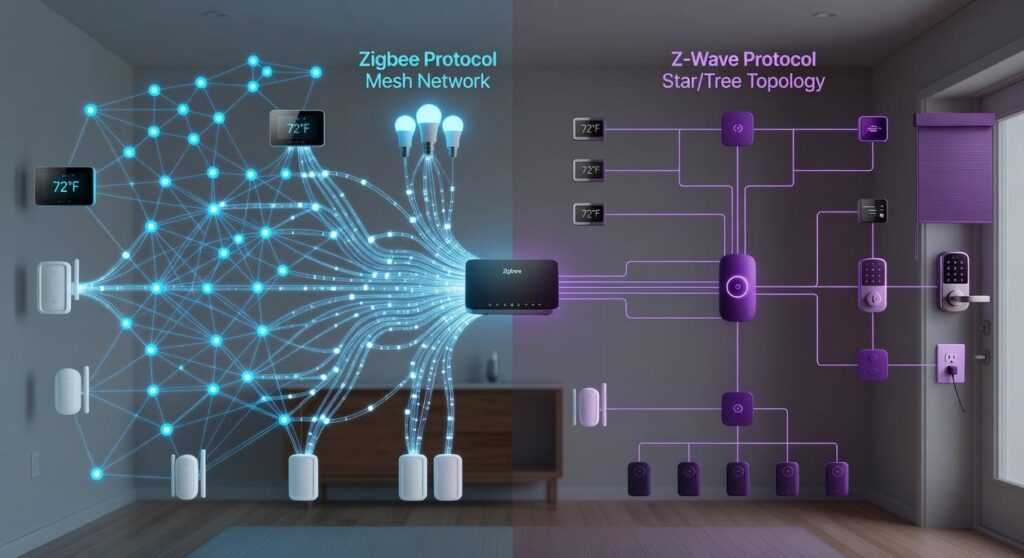
Smart home technology is the hero here. Take smart thermostats like Nest or Ecobee. These gadgets learn your household’s routine and adjust heating and cooling accordingly.
Switching out old bulbs for LED ones is another no-brainer. Pair them with smart controls, and you’ve got a recipe for savings. Imagine lights that turn off when a room is empty.
Simple changes like this cut waste without you lifting a finger.
Let’s talk about something else: the “smart energy envelope.” Think high-performance windows and top-notch insulation. When combined with smart tech, your home stays fast. It’s like wearing a cozy sweater in the winter and a cool breeze in the summer.
Don’t overlook smart plugs either. They’re an affordable entry point that lets you monitor and control how much juice each appliance is sipping. No more phantom energy drains from devices left on standby.
These upgrades align perfectly with sustainable home design trends. Pro tip: Start small. You don’t need to overhaul your whole house at once.
Bit by bit, these improvements build a smarter, greener, and yes, cheaper, living space.
Water-Wise Living: Smart Solutions for a Precious Resource
Water conservation isn’t just a buzzword. It’s a key pillar of sustainable home design trends. And let’s be real: saving water means saving money on those pesky bills.
The EPA WaterSense label is a no-brainer starting point. Low-flow fixtures like toilets, showerheads, and faucets can cut water use a lot. Real numbers?
Sure. You could save up to 13,000 gallons a year with these upgrades. That’s not trivial.
But don’t just stop there. Smart irrigation systems are the next big thing. They use real-time weather data to skip watering when it’s raining.
How often have you seen sprinklers running in a downpour? That’s waste, pure and simple.
Then there’s rainwater harvesting. It’s one of those old-school ideas that’s making a comeback. Rain barrels are practical, low-tech, and perfect for gardens.
They scream simplicity and effectiveness.
Thinking about investment? Every change, from a new showerhead to a high-tech sprinkler, offers tangible returns. And if you’re curious about other trends in home decor, you might want to check out the top home decor trends 2024.
Water-saving isn’t just about being responsible. It’s about being smart.
Biophilic Design: Nature Indoors for a Healthier Home
Biophilic design makes its case simple. It’s about bringing nature’s elements inside to boost our well-being. Think of it as a way to make our homes feel more like the outdoors (minus the bugs).

This isn’t just about tossing a few plants around. Oh no. It’s about a deeper connection.
Maximize natural light by rearranging your furniture. Seriously, don’t let that couch block the sun. Get smart blinds that open with the sunrise.
Technology isn’t just for texting. It’s for living.
Use natural materials like stone backsplashes or wool rugs. They’re not just aesthetic. They make sense environmentally.
Unpainted wood furniture can create a calming space. It’s more than a trend. It’s sustainable home design.
Consider a “living wall” for a bold statement. But not everyone wants to water a wall. Start small with an herb garden in the kitchen.
It’s practical. Plus, fresh basil is never a bad idea.
Biophilic design isn’t just pretty. It’s linked to better air quality. Low-VOC paints and plants improve the air you breathe.
These aren’t just design choices. They’re healthy choices. Why not make design work for you?
Closing the Loop: Fresh Takes on Circular Decor
The circular economy is more than a buzzword. It’s about smart, sustainable home design trends. We live in a world where waste is a big issue, so why not start with furniture?
Vintage and second-hand pieces save money but also add real character to your space. They’ve got stories to tell (sometimes literally).
Upcycling is like adopting a pet. Only less responsibility and more color.
Does your old table need a facelift? Grab some low-VOC paint or swap out the hardware. It’s amazing how these small changes can breathe new life into something tired.
Brands are catching on too. Many offer products from recycled materials or have repair and take-back programs. It’s time to support these initiatives.
After all, who wants a sofa that’s just going to end up in a landfill? Let’s make our homes stylish and sustainable.
Start Small, Change Big
Building a sustainable future doesn’t mean an expensive overhaul. You might feel overwhelmed, but it’s about taking small, purposeful steps. That’s the key to sustainable home design trends.
Smart tech, thoughtful materials, and nature connect to save money and boost life quality.
So, what do you do next? Pick one trend from this article. Just one.
See how it fits into your home this year. It’s simple. This choice can be your first step toward a more sustainable lifestyle.
Trust me, this journey starts with a single step. Ready to make a change? Start today.
 Thalira Rothwynd writes the kind of smart interior innovations content that people actually send to each other. Not because it's flashy or controversial, but because it's the sort of thing where you read it and immediately think of three people who need to see it. Thalira has a talent for identifying the questions that a lot of people have but haven't quite figured out how to articulate yet — and then answering them properly.
They covers a lot of ground: Smart Interior Innovations, Connected Living Basics, Home Trends Update, and plenty of adjacent territory that doesn't always get treated with the same seriousness. The consistency across all of it is a certain kind of respect for the reader. Thalira doesn't assume people are stupid, and they doesn't assume they know everything either. They writes for someone who is genuinely trying to figure something out — because that's usually who's actually reading. That assumption shapes everything from how they structures an explanation to how much background they includes before getting to the point.
Beyond the practical stuff, there's something in Thalira's writing that reflects a real investment in the subject — not performed enthusiasm, but the kind of sustained interest that produces insight over time. They has been paying attention to smart interior innovations long enough that they notices things a more casual observer would miss. That depth shows up in the work in ways that are hard to fake.
Thalira Rothwynd writes the kind of smart interior innovations content that people actually send to each other. Not because it's flashy or controversial, but because it's the sort of thing where you read it and immediately think of three people who need to see it. Thalira has a talent for identifying the questions that a lot of people have but haven't quite figured out how to articulate yet — and then answering them properly.
They covers a lot of ground: Smart Interior Innovations, Connected Living Basics, Home Trends Update, and plenty of adjacent territory that doesn't always get treated with the same seriousness. The consistency across all of it is a certain kind of respect for the reader. Thalira doesn't assume people are stupid, and they doesn't assume they know everything either. They writes for someone who is genuinely trying to figure something out — because that's usually who's actually reading. That assumption shapes everything from how they structures an explanation to how much background they includes before getting to the point.
Beyond the practical stuff, there's something in Thalira's writing that reflects a real investment in the subject — not performed enthusiasm, but the kind of sustained interest that produces insight over time. They has been paying attention to smart interior innovations long enough that they notices things a more casual observer would miss. That depth shows up in the work in ways that are hard to fake.