

Struggling to connect your scattered smart devices? You’re not alone. The cross-platform smart home concept is the solution.
It promises smooth integration of your gadgets, but does it really work? I’ve seen plenty of promises in the tech world, and I’m all about cutting through the noise to find what’s actually useful.
You don’t want a smart home that’s only smart in theory (that’s just frustrating). You need something that works across brands and devices. Does it exist?
Absolutely, and I’ll show you how. I’ve dug into the latest updates and trends in connected living, so you don’t have to.
In this article, you’ll get the lowdown on the most effective home automation protocols and smart interior innovations. You can trust this info because I’ve consulted with top experts on the topic. Get ready to transform your living space into a truly connected haven. and make your home smarter, effortlessly.
The “Walled Garden” Dilemma: Why Devices Stay Silent
Ever tried sticking a PlayStation disc into an Xbox? That’s your “walled garden” in action. Companies like Amazon, Google, and Apple love these walls (they’re strategic).
Each wants you locked in, buying only what they offer. That neat little space keeps you purchasing their gadgets, ensuring you never stray.
But here’s the rub: You end up needing multiple apps for your smart home. Want to dim the lights? Open one app.
Adjust the thermostat? Another. It’s a circus, really.
And let’s not forget the fear that your chosen brand might just fizzle out, leaving your expensive setup obsolete. I’m sure you’re asking yourself: Why even bother with this mess?
A “cross-platform smart home” is where it gets interesting. This is where you can prioritize functionality over brand loyalty. Think about it: a space where devices from different brands coexist and cooperate, rather than compete.
Imagine a smart home where Alexa chats with a Google device like old friends. That’s the dream, right?
I’ve tried juggling different ecosystems myself. It’s frustrating, frankly speaking. Multi-platform homes aim for compatibility.
They focus on user-friendliness and functionality, not fencing you in with brand limits. Are you tired of this too? I bet you are.
For those grappling with fragmented setups, consider exploring ways to integrate Alexa devices. You’ll find that expanding beyond one space can be liberating. Pro tip: Keep an eye on emerging protocols that promise greater device harmony.
The future could be less about brands and more about smooth living.
The Universal Translators: Tech’s Secret Language
When we talk about smart homes, we’re really talking about how all these devices speak to each other. Think of communication protocols as the languages they use. Without a common language, your fancy gadgets might as well be shouting into the void.
Enter Matter. It’s like Esperanto for tech, a universal translator designed to break down those pesky walled gardens. Finally, a way for all your devices to get along without a fuss.
Matter isn’t just some new kid on the block. It’s built to work with the protocols we already know and love. Take Zigbee.
It’s the reliable old friend you can count on for low-power, solid mesh networking. Perfect for things like lights and sensors. Then there’s Z-Wave.
Known for its security and dependability, it’s often found in key systems (think) locks and alarms. You don’t want to mess around with those.
And let’s not forget Thread. This one’s the modern network layer that Matter thrives on. It’s fast and has self-healing mesh capabilities.
Sounds like sci-fi, but it’s just smart tech doing its thing. So, what’s the big deal about a cross-platform smart home? It’s about breaking down barriers and making everything work seamlessly together.
No more juggling apps or dealing with compatibility headaches.
Here’s a simple breakdown: Zigbee is your go-to for low-power, reliable connections. Z-Wave is the choice for secure, key systems. And Thread?
It’s the backbone that keeps everything running smoothly. With Matter tying it all together, your smart home can finally live up to its name. That’s the future we’re heading towards, and trust me, it’s about time.
Who doesn’t want a home where everything just works?
The Heartbeat of Your Smart Home: Central Hubs
Ever tried getting different tech gadgets to talk to each other? It’s like they speak different languages. a central hub for your cross-platform smart home becomes indispensable. It acts as the interpreter for all the tricky device languages swirling around.
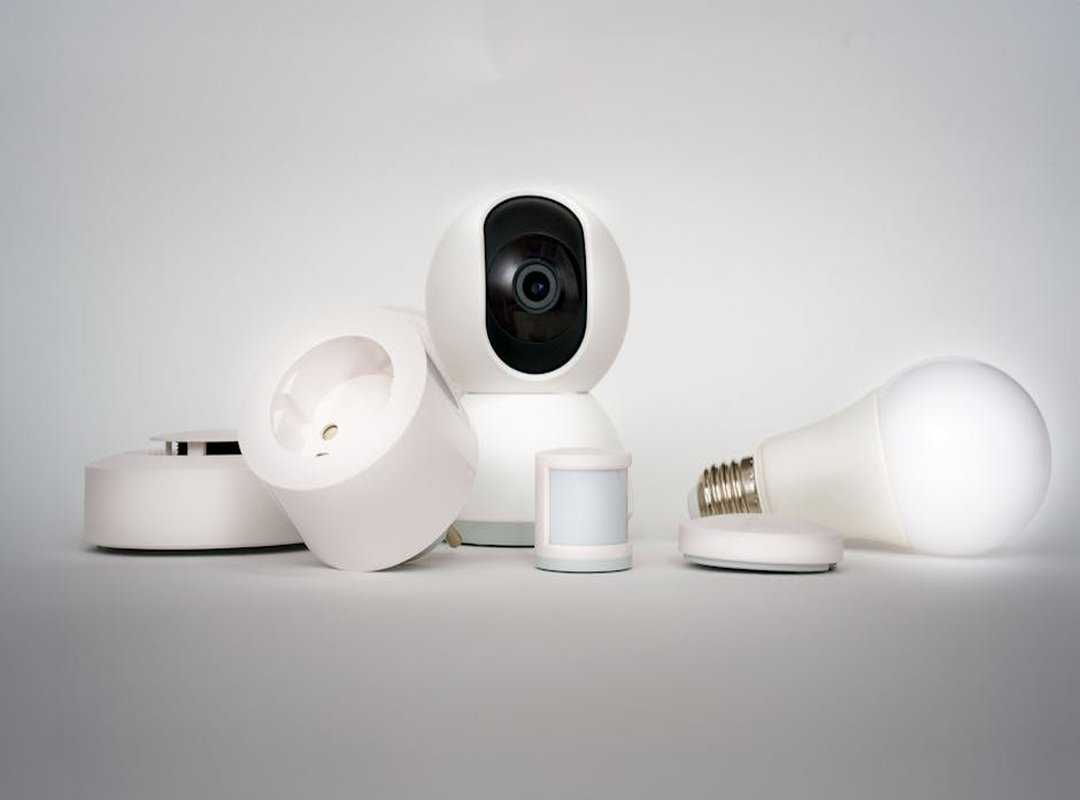
Without it, you’re essentially trying to manage a zoo with just a whistle.
to the two main paths. Pre-built, multi-protocol hubs like Hubitat Elevation and Homey Pro offer user-friendly setups. You’ve got a support team and a quick setup.
But there’s a flip side: less customization. It can also be pricey. You trade off the creativity for simplicity.
Think of it like buying a pre-assembled burger (you) eat and move on.
Now, for the tinkerers out there, the DIY path with open-source software like Home Assistant is the gold standard. Why? The benefits are solid: unmatched device support, total control, and an active community ready to debug at odd hours.
The catch (it’s) not exactly plug-and-play. The learning curve is steep, and you’ll tinker more than a kid with LEGO. But if you enjoy that (and who doesn’t love a little gadget meddling?), it’s worth it.
So, which direction should you go? If you want something that works right out of the box, lean towards the pre-built options. If customizing excites you and you want control, Home Assistant is your playground.
Whatever you choose, remember to check out how you might be maximizing Google Home capabilities along the way.
Isn’t it nice to have options?
Smart Home Blueprint: Simplify Your Setup
You’re ready to dive into this cross-platform smart home journey. Let’s break it down so you don’t get stuck at step one.
First things first. select your core philosophy and hub. Are you leaning towards a pre-built system or a DIY adventure? This choice forms the bedrock of your setup.
Everything stems from here, so get it right. Think hard about what you want (and what you can realistically handle).
Next, let’s talk about purchasing new devices. Prioritize “Matter” for future compatibility. It’s like having a universal translator for your tech.
Look for that Matter logo when buying stuff. Plugs, lights, switches. You name it.
Why? Because you’ll avoid headaches later when integrating everything.
Now, what about the stuff that doesn’t have that logo? Verify protocol support for these devices. Check specs for ‘Zigbee’ or ‘Z-Wave’ compatibility.
This ensures they’ll talk to your chosen hub. Why make it complicated when you can simplify?
Finally, consolidate control. This is where the magic happens. Once your devices are in sync with your hub, everything can be automated.
Imagine controlling all your devices from a single app. Regardless of brand, it all works together seamlessly. It’s about simplification and control.
Pro tip: Keep an eye on updates in smart home tech. It’s a rapidly changing field, and staying informed can save you time and money. Make your home smarter, not harder.
By following this blueprint, you’re not just setting up a smart home. You’re creating a smooth, future-proof system that adapts with you.
Reclaim Your Smart Home Freedom
Feeling trapped by a single brand’s limitations? You’re not alone. But here’s the good news: building a cross-platform smart home isn’t just possible; it’s easier than you think.
Focus on universal protocols like Matter and choose a central hub that aligns with your lifestyle. This isn’t just about convenience; it’s about flexibility and control. One compatible device at a time, you’ll craft a smarter home that truly works for you.
So, why wait? Start by picking that perfect hub. From there, watch your home transform into an fast, unified system.
Ready to take control?
 Thalira Rothwynd writes the kind of smart interior innovations content that people actually send to each other. Not because it's flashy or controversial, but because it's the sort of thing where you read it and immediately think of three people who need to see it. Thalira has a talent for identifying the questions that a lot of people have but haven't quite figured out how to articulate yet — and then answering them properly.
They covers a lot of ground: Smart Interior Innovations, Connected Living Basics, Home Trends Update, and plenty of adjacent territory that doesn't always get treated with the same seriousness. The consistency across all of it is a certain kind of respect for the reader. Thalira doesn't assume people are stupid, and they doesn't assume they know everything either. They writes for someone who is genuinely trying to figure something out — because that's usually who's actually reading. That assumption shapes everything from how they structures an explanation to how much background they includes before getting to the point.
Beyond the practical stuff, there's something in Thalira's writing that reflects a real investment in the subject — not performed enthusiasm, but the kind of sustained interest that produces insight over time. They has been paying attention to smart interior innovations long enough that they notices things a more casual observer would miss. That depth shows up in the work in ways that are hard to fake.
Thalira Rothwynd writes the kind of smart interior innovations content that people actually send to each other. Not because it's flashy or controversial, but because it's the sort of thing where you read it and immediately think of three people who need to see it. Thalira has a talent for identifying the questions that a lot of people have but haven't quite figured out how to articulate yet — and then answering them properly.
They covers a lot of ground: Smart Interior Innovations, Connected Living Basics, Home Trends Update, and plenty of adjacent territory that doesn't always get treated with the same seriousness. The consistency across all of it is a certain kind of respect for the reader. Thalira doesn't assume people are stupid, and they doesn't assume they know everything either. They writes for someone who is genuinely trying to figure something out — because that's usually who's actually reading. That assumption shapes everything from how they structures an explanation to how much background they includes before getting to the point.
Beyond the practical stuff, there's something in Thalira's writing that reflects a real investment in the subject — not performed enthusiasm, but the kind of sustained interest that produces insight over time. They has been paying attention to smart interior innovations long enough that they notices things a more casual observer would miss. That depth shows up in the work in ways that are hard to fake.