
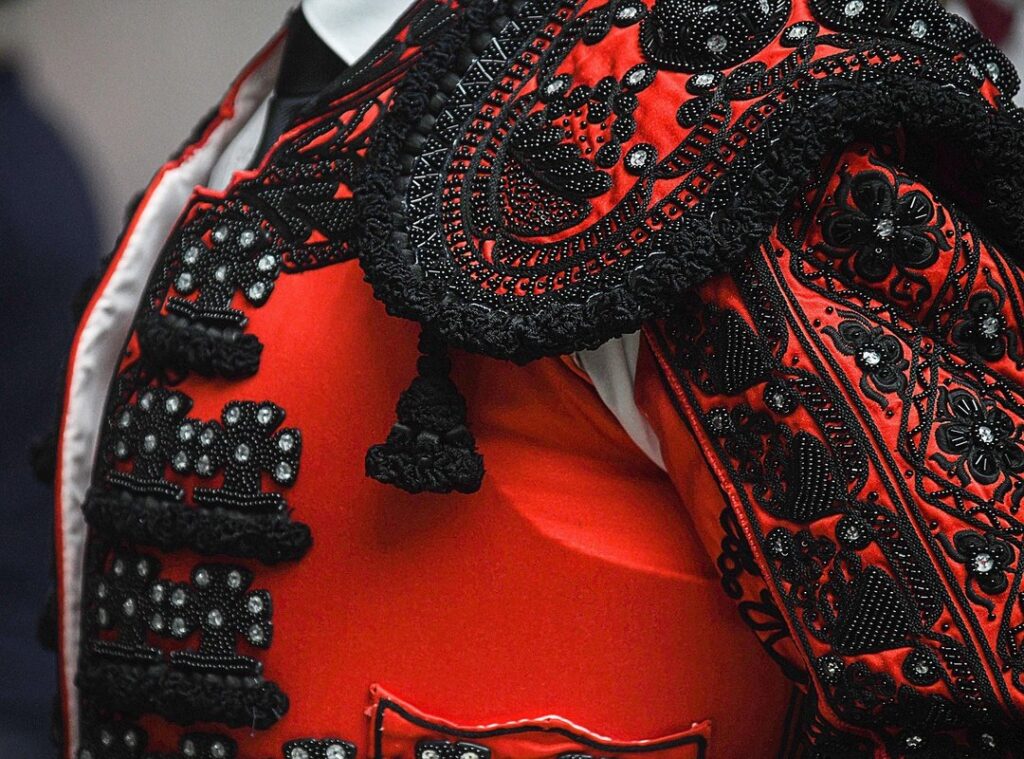
torera virgen. It’s a term that might confuse you at first. Literally, it means “virgin bullfighter.” But it’s so much more than that.
What does it mean to blend the idea of purity with the traditionally masculine and dangerous world of bullfighting?
The imagery is powerful. It combines danger, ritual, and innocence in a way that’s both fascinating and a bit perplexing.
This article aims to unpack the history of female bullfighters, the symbolism behind the “virgin” archetype, and its representation in art and culture.
We’ll dive into why this concept is so intriguing and often misunderstood.
Stay with me as we explore this rich and layered cultural idea.
A Brief History of Women in the Bullring
Women have been part of bullfighting for a long time, even if their stories are often overlooked. Back in the 18th century, Nicolasa Escamilla was one of the first to step into the ring. She faced immense societal and professional obstacles, including prohibitions and public ridicule.
Fast forward to the 20th century, Juanita Cruz continued to break gender barriers. These women challenged deep-seated cultural norms about gender roles. Their presence in the bullring was often controversial.
The struggle was real. They had to fight not just the bulls but also the expectations and limitations placed on them by society. This harsh reality contrasts sharply with the more romanticized or symbolic image of the torera virgen.
Understanding this historical context is crucial. It sets the stage for why the addition of the torera virgen concept is so significant. It’s not just about the sport; it’s about challenging and changing long-held beliefs.
The Powerful Symbolism of Purity and Sacrifice
Spanish bullfighting is deeply intertwined with religious, particularly Catholic, symbolism. It’s not just a sport; it’s a highly ritualized event often described as a ‘liturgy’ of death and artistry.
The ‘virgin’ archetype plays a crucial role in this culture. She represents purity, devotion, and the sacred. This idea is central to understanding the profound connection between bullfighting and religious symbolism.
In the context of bullfighting, the concept of a torera virgen creates a powerful juxtaposition. The ultimate symbol of purity faces the ultimate symbol of brute force and mortality. This clash is both dramatic and symbolic, elevating the bullfighter from a mere athlete to a figure of ritual sacrifice and grace.
Matadors often pray to chapels dedicated to the Virgin Mary before entering the ring. They seek her protection and blessing, adding a layer of spiritual significance to their performance. This practice has been a part of the tradition for centuries, reinforcing the deep-seated religious undertones.
These rituals and symbols are not just about the fight itself. They reflect a broader cultural and spiritual narrative. The bullfighter embodies the struggle between life and death, purity and violence, in a way that resonates deeply with the audience. torera virgen
Understanding this symbolism adds a new dimension to the experience. It’s not just about the spectacle; it’s about the rich tapestry of meaning woven into every move and gesture.
How the ‘Torera Virgen’ is Portrayed in Art and Culture
The torera virgen—a figure that’s both intriguing and complex—has been a subject of fascination in Spanish art and culture for years.
In literature, she often appears as a tragic figure, caught between her passion for bullfighting and societal expectations.
Poets and songwriters, on the other hand, tend to romanticize her, painting her as a mystical being with an almost ethereal presence.
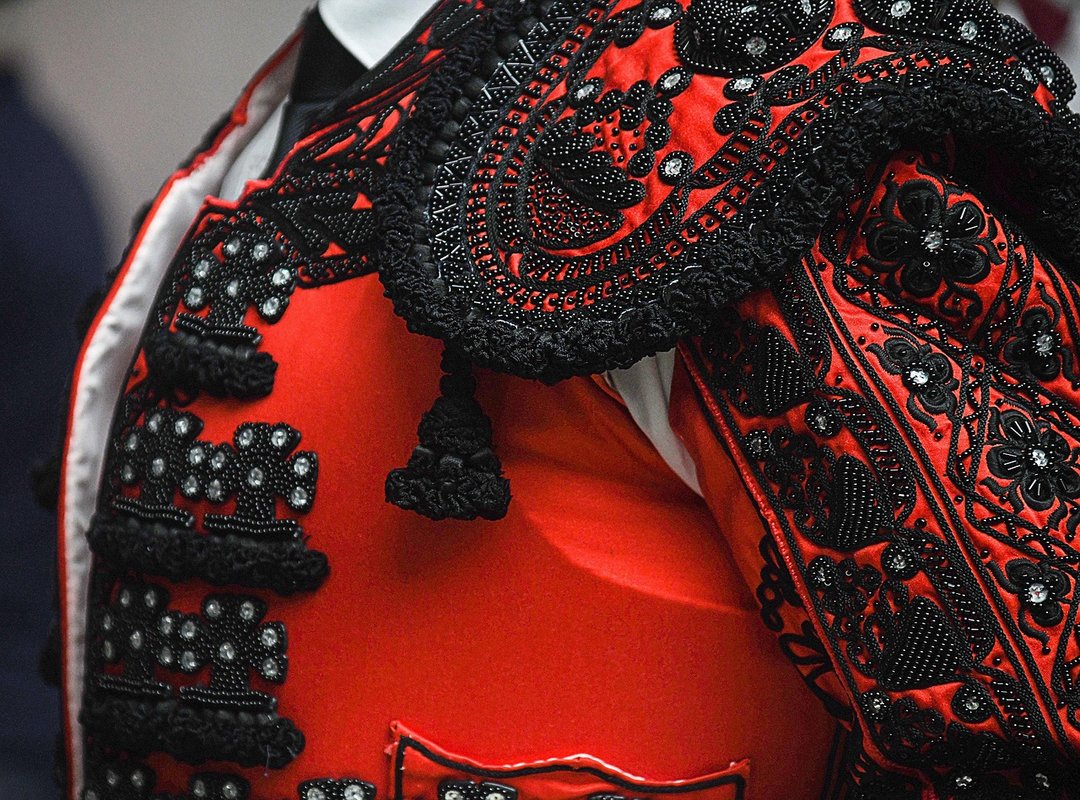
It’s not just about the words, though. Visual artists have their take too. They often depict her in a traje de luces, a suit of lights, which is a stark contrast to her perceived innocence.
This juxtaposition of vibrant, elaborate attire and a pure, untouched spirit creates a powerful image.
Films and plays have also embraced this archetype. Some use it to explore themes of feminism, challenging traditional roles and breaking barriers.
Others delve into the theme of forbidden love, where the torera virgen must choose between her heart and her calling.
These cultural portrayals have shaped how the public sees women in bullfighting. They’re not just seen as performers; they’re symbols of strength, resilience, and sometimes, even rebellion.
But here’s my take: these depictions, while beautiful and moving, can also be limiting. They often box women into specific roles, either as tragic figures or empowered icons, without much room in between.
We need more nuanced and diverse representations to truly capture the complexity of women in this field.
The Enduring Legacy of a Cultural Icon
The torera virgen is not just a person, but a powerful cultural symbol blending history, religion, and art. This concept emerged from the struggles of real female bullfighters, evolving into a symbolic archetype that carries immense weight. It forces us to confront complex ideas about gender, tradition, and the nature of performance.
Such potent symbols continue to fascinate and provoke discussion, even as the traditions they stem from evolve. Understanding the torera virgen offers a unique window into the cultural soul of the Spanish-speaking world.
 There is a specific skill involved in explaining something clearly — one that is completely separate from actually knowing the subject. Arthuron Grantielos has both. They has spent years working with home trends update in a hands-on capacity, and an equal amount of time figuring out how to translate that experience into writing that people with different backgrounds can actually absorb and use.
Arthuron tends to approach complex subjects — Home Trends Update, Device Integration Tips, Home Automation Protocols being good examples — by starting with what the reader already knows, then building outward from there rather than dropping them in the deep end. It sounds like a small thing. In practice it makes a significant difference in whether someone finishes the article or abandons it halfway through. They is also good at knowing when to stop — a surprisingly underrated skill. Some writers bury useful information under so many caveats and qualifications that the point disappears. Arthuron knows where the point is and gets there without too many detours.
The practical effect of all this is that people who read Arthuron's work tend to come away actually capable of doing something with it. Not just vaguely informed — actually capable. For a writer working in home trends update, that is probably the best possible outcome, and it's the standard Arthuron holds they's own work to.
There is a specific skill involved in explaining something clearly — one that is completely separate from actually knowing the subject. Arthuron Grantielos has both. They has spent years working with home trends update in a hands-on capacity, and an equal amount of time figuring out how to translate that experience into writing that people with different backgrounds can actually absorb and use.
Arthuron tends to approach complex subjects — Home Trends Update, Device Integration Tips, Home Automation Protocols being good examples — by starting with what the reader already knows, then building outward from there rather than dropping them in the deep end. It sounds like a small thing. In practice it makes a significant difference in whether someone finishes the article or abandons it halfway through. They is also good at knowing when to stop — a surprisingly underrated skill. Some writers bury useful information under so many caveats and qualifications that the point disappears. Arthuron knows where the point is and gets there without too many detours.
The practical effect of all this is that people who read Arthuron's work tend to come away actually capable of doing something with it. Not just vaguely informed — actually capable. For a writer working in home trends update, that is probably the best possible outcome, and it's the standard Arthuron holds they's own work to.