If you’re exploring the latest home trends and wondering how smart technology actually fits into everyday living, you’re in the right place. From smart lighting systems to fully integrated automation protocols, today’s connected homes are evolving faster than ever—and it can be difficult to separate meaningful innovation from passing hype.
This article is designed to give you clear, practical insight into modern home advancements, including device integration tips, connected living essentials, and the technologies that genuinely improve comfort, efficiency, and control. Whether you’re upgrading a single room or planning a fully automated setup, you’ll find guidance tailored to real-world use.
Our content is built on in-depth research, hands-on testing of smart devices, and continuous monitoring of emerging interior and automation trends. By focusing on proven solutions and compatibility best practices, we help you make confident decisions that align with your lifestyle and long-term home goals.
Intelligent Lighting Explained
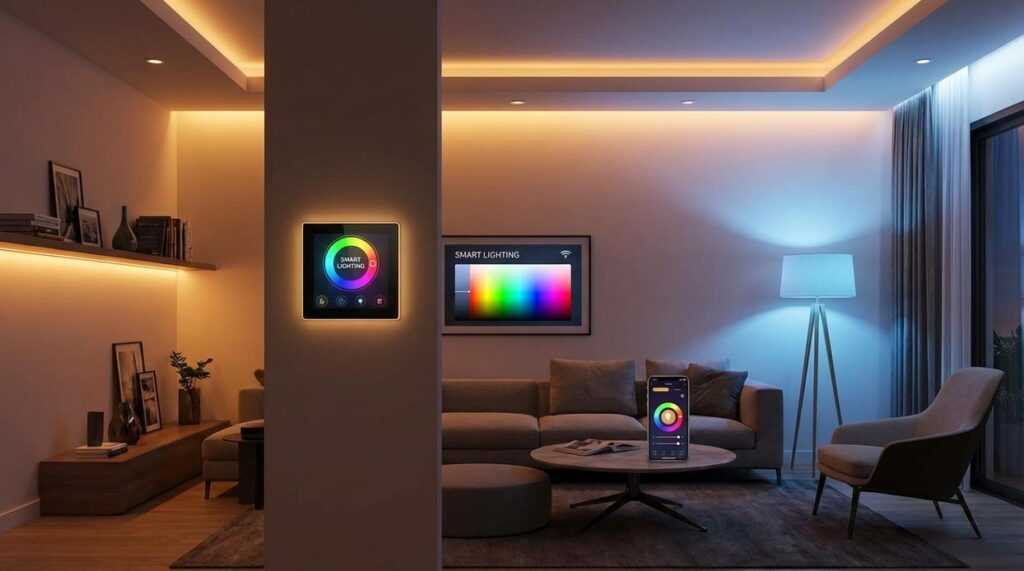
Intelligent lighting is more than a smart bulb you tap on your phone. At its core, it’s an integrated system where lights, controls, and a communication network work together. Think less “clapper switch” sitcom gag and more Tony Stark’s responsive lab.
First, the hardware: bulbs, strips, and fixtures capable of dimming, tuning color temperature on the Kelvin scale, or displaying full RGB color. Next, the controls: apps, wall panels, motion sensors, and voice assistants that translate intent into action. Finally, the network—Wi-Fi, Zigbee, or similar protocols—that keeps everything talking.
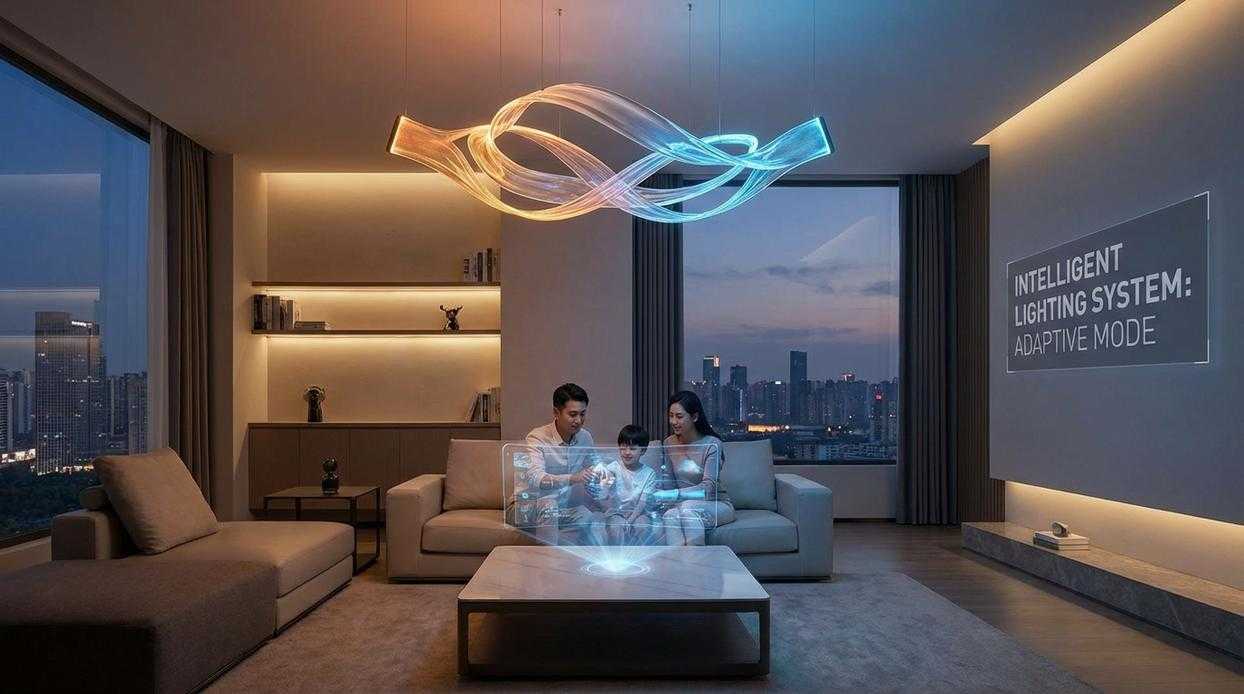
As a result, smart lighting systems move beyond simple on/off commands toward scenes that shift from bright focus to warm movie-night glow. In contrast, traditional lighting is static and manual. Intelligent setups, however, are dynamic, responsive, and even data-driven, adapting to routines like a timed Spotify playlist. That flexibility changes how homes feel dramatically and permanently.
The Dual Benefits: Enhancing Your Home and Boosting Office Productivity
Lighting is no longer just a switch on the wall; it’s a programmable asset. In modern homes, automated color temperature shifts—cool, blue-enriched light in the morning and warm amber tones at night—support your circadian rhythm (your body’s internal 24-hour clock). Research from Harvard Medical School shows blue light can suppress melatonin, affecting sleep cycles. So, gradually warming your lights in the evening signals your brain it’s time to wind down (think sunset, not supermarket aisle).
At the same time, scheduled and motion-activated lighting enhances security. By simulating occupancy when you’re away, lights create the appearance of activity, which studies suggest can deter opportunistic intruders. Add custom scenes like “Movie Night,” “Focus,” or “Dinner Party,” and you transform ambiance with a single command. It’s convenience that feels a bit Jetsons—but practical.
In offices, the benefits become even more measurable. Task-appropriate illumination reduces glare and eye strain, while human-centric schedules align brightness with peak focus hours. The result? Improved concentration and fewer afternoon slumps.
Moreover, occupancy sensors and daylight harvesting—where fixtures dim in response to natural light—ensure energy is used only when necessary. According to the U.S. Department of Energy, lighting controls can cut energy use by up to 30% in commercial buildings. That’s not just efficient; it’s financially strategic.
Finally, sensor data from smart lighting systems reveals which workspaces are thriving or neglected, guiding smarter layout decisions. And as explored in voice controlled furniture future of interior design, integrated environments are quickly becoming the new standard.
Decoding the Tech: Choosing Your Smart Lighting Ecosystem
A few years ago, I bought my first set of smart bulbs thinking setup would be plug-and-play. Instead, I spent a Saturday afternoon wondering why my living room lights responded three seconds after I tapped my phone (nothing kills movie night vibes faster). That’s when I learned about the protocol problem.
In simple terms, a protocol is the “language” devices use to talk to each other. Choose the wrong one, and even the best smart lighting systems can feel clunky.
Wi-Fi Based Systems
At first glance, Wi-Fi bulbs seem perfect. There’s no hub required, and setup is usually quick. For a small apartment or a couple of bulbs, they work well. However, as I added more devices, my router started gasping for air. Wi-Fi congestion—when too many devices compete for bandwidth—can cause lag and dropped connections. Some argue modern routers can handle dozens of devices. That’s fair. But in practice, performance still depends on your network quality and traffic load.
Mesh Networks (Zigbee & Z-Wave)
By contrast, Zigbee and Z-Wave create mesh networks, meaning devices pass signals to one another instead of crowding your Wi-Fi. The result? Faster response and higher reliability. The catch is you’ll need a dedicated hub or bridge. Some people see that as extra cost and complexity. I see it as insulation from Wi-Fi chaos.
The Future Is Matter
Now, Matter aims to unify brands under one standard, allowing cross-platform compatibility. Choosing Matter-compatible devices is a future-proof move (especially if you hate replacing gear).
Finally, ensure integration with Apple HomeKit, Google Home, or Amazon Alexa. After all, seamless control beats juggling five apps any day.
Putting It All Together: Practical Automation Ideas
Ready to make your home feel effortless? Start with automations that solve everyday annoyances (like fumbling for switches with full hands).
1. The “Welcome Home” Scene
Use geofencing—location-based triggers that activate when your phone crosses a boundary—to turn on entryway and living room lights as you arrive. It’s practical, safer, and surprisingly comforting after a long day.
2. The “Good Morning” Routine
Program bedroom lights to brighten gradually before your alarm. This mimics a natural sunrise, which research suggests can improve mood and alertness (Harvard Health). Pair it with gentle music for a smoother wake-up.
3. Motion-Sensor Magic
Install sensors in hallways, bathrooms, and closets so lights switch on when you enter and off when you leave. This cuts energy waste and arguments about who left the lights on.
4. Entertainment Syncing
Sync smart lighting systems with movies, games, or playlists for immersive color shifts—think cinematic glow during thrillers or party vibes for game night.
Bring Smarter Living Home Today
You came here to make sense of modern home trends and connected living—and now you have a clearer path forward. From understanding automation protocols to integrating devices seamlessly, you’re better equipped to create a home that works for you instead of against you.
Disconnected devices, clunky controls, and outdated setups can make daily life frustrating. The right strategy—especially with smart lighting systems—turns that frustration into comfort, efficiency, and control.
The next step is simple: start small, upgrade intentionally, and choose solutions designed to work together smoothly. Explore trusted guidance, compare compatible devices, and implement one smart upgrade at a time.
Thousands of homeowners rely on proven, practical insights to modernize their spaces with confidence. If you’re ready to eliminate tech confusion and build a truly connected home, start upgrading today and experience the difference smart integration makes.
 There is a specific skill involved in explaining something clearly — one that is completely separate from actually knowing the subject. Arthuron Grantielos has both. They has spent years working with home trends update in a hands-on capacity, and an equal amount of time figuring out how to translate that experience into writing that people with different backgrounds can actually absorb and use.
Arthuron tends to approach complex subjects — Home Trends Update, Device Integration Tips, Home Automation Protocols being good examples — by starting with what the reader already knows, then building outward from there rather than dropping them in the deep end. It sounds like a small thing. In practice it makes a significant difference in whether someone finishes the article or abandons it halfway through. They is also good at knowing when to stop — a surprisingly underrated skill. Some writers bury useful information under so many caveats and qualifications that the point disappears. Arthuron knows where the point is and gets there without too many detours.
The practical effect of all this is that people who read Arthuron's work tend to come away actually capable of doing something with it. Not just vaguely informed — actually capable. For a writer working in home trends update, that is probably the best possible outcome, and it's the standard Arthuron holds they's own work to.
There is a specific skill involved in explaining something clearly — one that is completely separate from actually knowing the subject. Arthuron Grantielos has both. They has spent years working with home trends update in a hands-on capacity, and an equal amount of time figuring out how to translate that experience into writing that people with different backgrounds can actually absorb and use.
Arthuron tends to approach complex subjects — Home Trends Update, Device Integration Tips, Home Automation Protocols being good examples — by starting with what the reader already knows, then building outward from there rather than dropping them in the deep end. It sounds like a small thing. In practice it makes a significant difference in whether someone finishes the article or abandons it halfway through. They is also good at knowing when to stop — a surprisingly underrated skill. Some writers bury useful information under so many caveats and qualifications that the point disappears. Arthuron knows where the point is and gets there without too many detours.
The practical effect of all this is that people who read Arthuron's work tend to come away actually capable of doing something with it. Not just vaguely informed — actually capable. For a writer working in home trends update, that is probably the best possible outcome, and it's the standard Arthuron holds they's own work to.