Homes are evolving faster than ever, and if you’re searching for practical ways to keep up with the latest home trends, smart interior innovations, and connected living essentials, you’re in the right place. Today’s homeowners want more than style—they want seamless technology, efficient layouts, and systems that actually make daily life easier. This article explores how modern design meets intelligent automation, from integrating smart devices to optimizing multifunctional living spaces that adapt to work, relaxation, and entertainment.
We break down complex automation protocols into clear, actionable guidance, helping you understand how devices communicate, how to future-proof your setup, and how to avoid common integration mistakes. Our insights are grounded in ongoing research into emerging home technologies, real-world usability testing, and continuous monitoring of design and automation trends. By the end, you’ll have a practical roadmap to create a connected, efficient, and beautifully modern living environment.
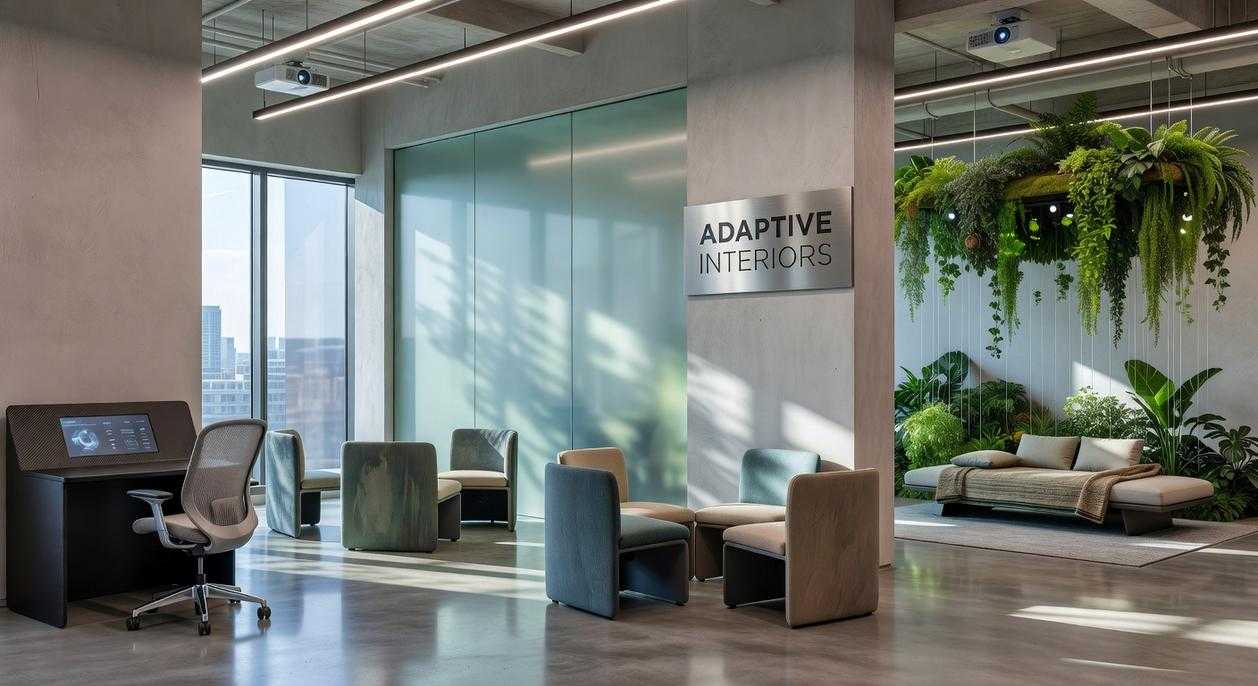
Our homes were built for routines, but modern life shape-shifts daily. The corner office vs. the kitchen-table desk proves it: static rooms strain, flexible ones adapt. The challenge is turning one area into productive office, calming lounge, and social hub without clutter. Think sofa-bed versus sectional; foldaway desk versus permanent workstation. Smart zoning—rugs, lighting layers, sliding panels—creates multifunctional living spaces that breathe. Tech matters too: standalone lamps vs. app-synced scenes (yes, like Tony Stark’s lab). Dynamic rooms demand dynamic rules. This guide delivers a clear roadmap—furniture, layout, automation—so every square foot works harder, not messier. Pro tip: prioritize hidden storage.
Why Flexible Design Is a Necessity
Flexible design means creating spaces that can adapt to changing needs without major renovation. With remote work rising (Pew Research, 2023), dining tables became desks overnight. Instead of sacrificing an entire room, try multifunctional living spaces: think wall-mounted fold-down desks or storage ottomans that double as filing cabinets.
Downsizing and urban living make every square foot count. According to the U.S. Census Bureau, new homes are trending smaller than a decade ago. The fix? Design for dual purpose from day one.
- Use modular furniture (sectionals that reconfigure easily).
- Install sliding or pocket doors to divide rooms temporarily.
- Choose built-ins with hidden storage to reduce clutter.
Family needs evolve (toddlers turn into teens faster than a Netflix binge). A playroom can shift into a study zone with adjustable shelving and task lighting.
Some argue flexibility costs more upfront. True—but adaptable homes often command stronger resale value because buyers see possibility, not limitation.
The Three Pillars of Versatile Interior Design
Creating a home that adapts to your life isn’t just trendy—it’s practical. If you want multifunctional living spaces that actually work (not just look good on Pinterest), focus on three core pillars.
Pillar 1: Multi-Functional Furniture
First and foremost, choose furniture that earns its footprint. Go beyond the basic sofa bed. Opt for a convertible coffee table that lifts into a desk for work-from-home days. Consider modular shelving that doubles as a room divider in a studio apartment. Nesting tables are another smart pick—they expand when guests arrive and tuck away afterward.
Some argue that multi-use pieces feel gimmicky. However, well-designed options blend seamlessly into everyday life. Pro tip: Prioritize sturdy mechanisms and solid materials; flimsy hinges are the fastest way to regret a “smart” purchase.
Pillar 2: Strategic Zoning Without Walls
Next, define areas visually rather than structurally. Use area rugs to anchor seating zones. Layer lighting—pendants over dining tables, floor lamps near sofas—to shift mood and function. Additionally, try color blocking: paint a subtle accent behind your desk to signal “workspace” without building a wall.
While critics say open plans should stay visually uninterrupted, defined zones actually improve flow (think of it like movie set design—every scene has a purpose).
Pillar 3: Unlocking Vertical Space
Finally, look up. Floor-to-ceiling bookcases draw the eye upward and maximize storage. Install wall-mounted desks that fold away after use. Hang plants or vertical art clusters to define areas without sacrificing square footage.
In small homes especially, vertical thinking transforms cramped rooms into adaptable, breathable spaces.
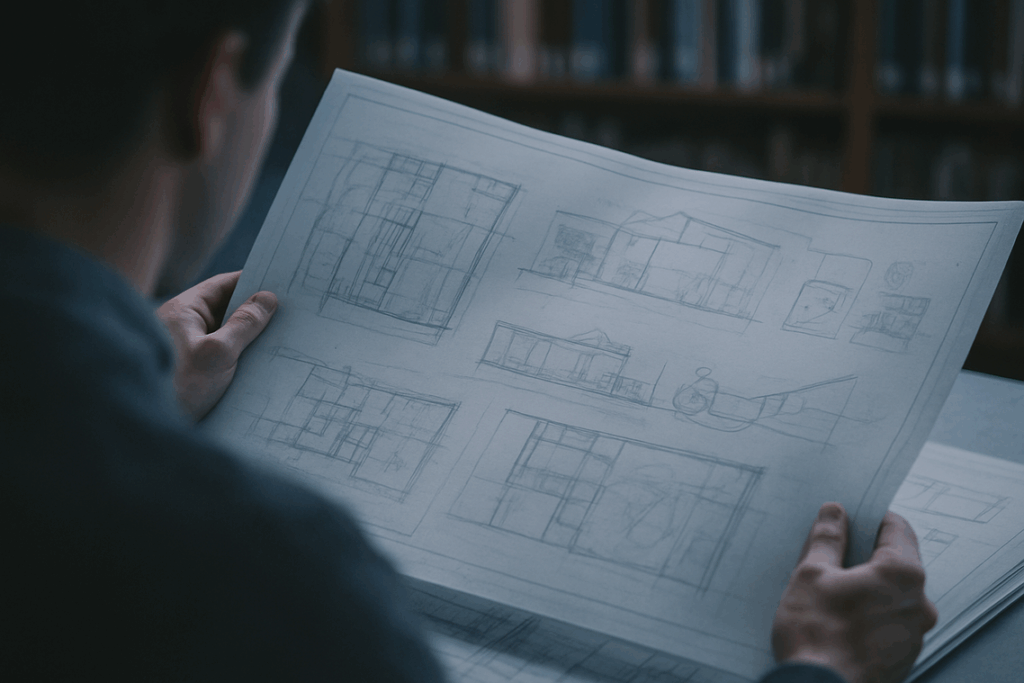
Room-by-Room Blueprints for Adaptable Living
I used to answer emails from my couch, laptop balanced on a throw pillow (terrible for posture, by the way). That’s when I realized my home needed to work harder for me—not the other way around.
The Living Room / Home Office Hybrid
Start with a console table behind your sofa. Think of it as a discreet desk—a narrow surface that functions as a workspace without visually screaming “corporate cubicle.” Add a slim task lamp and a drawer organizer for essentials. When the workday ends, slide everything into storage ottomans (upholstered benches with hidden compartments) to instantly reset the room.
For full visual separation, use a decorative folding screen. It’s a movable partition that hides your monitor and paperwork after hours. Out of sight, out of mind (and yes, that helps you ACTUALLY relax). Some argue this is just disguising clutter. I disagree. It’s about psychological zoning—clearly signaling when work is DONE.
The Bedroom / Wellness Sanctuary
In my own bedroom, I carved out a two-foot corner for meditation. A fold-down yoga mat holder—mounted neatly to the wall—keeps things tidy. A woven basket stores resistance bands and light weights. Add a smart speaker for guided sessions, then tuck it into a drawer when not in use.
Skeptics say bedrooms should be sleep-only zones. Fair. But defining a small, intentional wellness nook (not a full gym) maintains calm while supporting healthy habits. PRO TIP: Keep the color scheme consistent with your bedroom’s palette—especially if you’re inspired by the latest color palettes transforming interior design this year.
The Kitchen / Dining / Social Hub
The island is the MVP of multifunctional living spaces. Install pop-up outlets (retractable power sockets built into countertops) for device charging. Choose adjustable-height stools so you can shift from dinner party to laptop session seamlessly. Under-cabinet lighting—focused illumination for tasks—keeps meal prep and late-night projects equally functional.
Some say tech clutters kitchens. But when integrated thoughtfully, it disappears into the design—like good stage lighting in a Broadway show (you notice the glow, not the bulbs).
Integrating Smart Technology for Seamless Transitions
Smart lighting scenes are the backbone of adaptable, multifunctional living spaces. In practical terms, a “scene” is a pre-programmed lighting setup that adjusts brightness and color temperature for a specific activity. For example, Work Mode might use bright, cool white light (around 5000K) to boost focus, while Relax Mode shifts to warm, dim lighting (2700K) to signal downtime. With platforms like Apple HomeKit or Google Home, these changes happen via voice command or app—no fumbling for switches (because nobody wants to feel like they’re launching a spaceship just to dim the lights).
Next, automated furniture adds physical flexibility. Motorized Murphy beds can descend over a sofa, ceiling-mounted projectors retract when not in use, and smart blinds auto-adjust to reduce glare during video calls.
Finally, concealed tech keeps things streamlined: hide smart power strips inside cabinets, embed wireless charging pads in tables, and use digital art frames that double as discreet information hubs.
Modern living means a home that MOVES with you, not against you. If static rooms frustrate you, shift to multifunctional living spaces, strategic zoning, and smart tech that adapts on demand.
• Pick one room.
• Apply one principle this week.
START SMALL—watch flexibility grow. Your future self will thank you.
Design a Home That Works Smarter for You
You came here looking for clarity on the latest home trends, smarter interiors, and how connected living can actually simplify your day-to-day life. Now you have a clear roadmap—from automation protocols to seamless device integration and the rise of multifunctional living spaces that adapt to how you really live.
The reality is, a disconnected home creates friction. Too many apps. Too many remotes. Too much wasted space. When your devices don’t talk to each other and your rooms serve only one purpose, your home works against you instead of for you.
Start small but act today: audit one room, streamline one system, or integrate one new smart solution that eliminates daily frustration. Focus on upgrades that improve comfort, efficiency, and flow.
If you’re ready to stop juggling tech and start enjoying a truly connected lifestyle, explore our expert-backed guides and step-by-step integration tips trusted by thousands of modern homeowners. Find the solutions that fit your space and take control of your smart home setup today.
 There is a specific skill involved in explaining something clearly — one that is completely separate from actually knowing the subject. Arthuron Grantielos has both. They has spent years working with home trends update in a hands-on capacity, and an equal amount of time figuring out how to translate that experience into writing that people with different backgrounds can actually absorb and use.
Arthuron tends to approach complex subjects — Home Trends Update, Device Integration Tips, Home Automation Protocols being good examples — by starting with what the reader already knows, then building outward from there rather than dropping them in the deep end. It sounds like a small thing. In practice it makes a significant difference in whether someone finishes the article or abandons it halfway through. They is also good at knowing when to stop — a surprisingly underrated skill. Some writers bury useful information under so many caveats and qualifications that the point disappears. Arthuron knows where the point is and gets there without too many detours.
The practical effect of all this is that people who read Arthuron's work tend to come away actually capable of doing something with it. Not just vaguely informed — actually capable. For a writer working in home trends update, that is probably the best possible outcome, and it's the standard Arthuron holds they's own work to.
There is a specific skill involved in explaining something clearly — one that is completely separate from actually knowing the subject. Arthuron Grantielos has both. They has spent years working with home trends update in a hands-on capacity, and an equal amount of time figuring out how to translate that experience into writing that people with different backgrounds can actually absorb and use.
Arthuron tends to approach complex subjects — Home Trends Update, Device Integration Tips, Home Automation Protocols being good examples — by starting with what the reader already knows, then building outward from there rather than dropping them in the deep end. It sounds like a small thing. In practice it makes a significant difference in whether someone finishes the article or abandons it halfway through. They is also good at knowing when to stop — a surprisingly underrated skill. Some writers bury useful information under so many caveats and qualifications that the point disappears. Arthuron knows where the point is and gets there without too many detours.
The practical effect of all this is that people who read Arthuron's work tend to come away actually capable of doing something with it. Not just vaguely informed — actually capable. For a writer working in home trends update, that is probably the best possible outcome, and it's the standard Arthuron holds they's own work to.