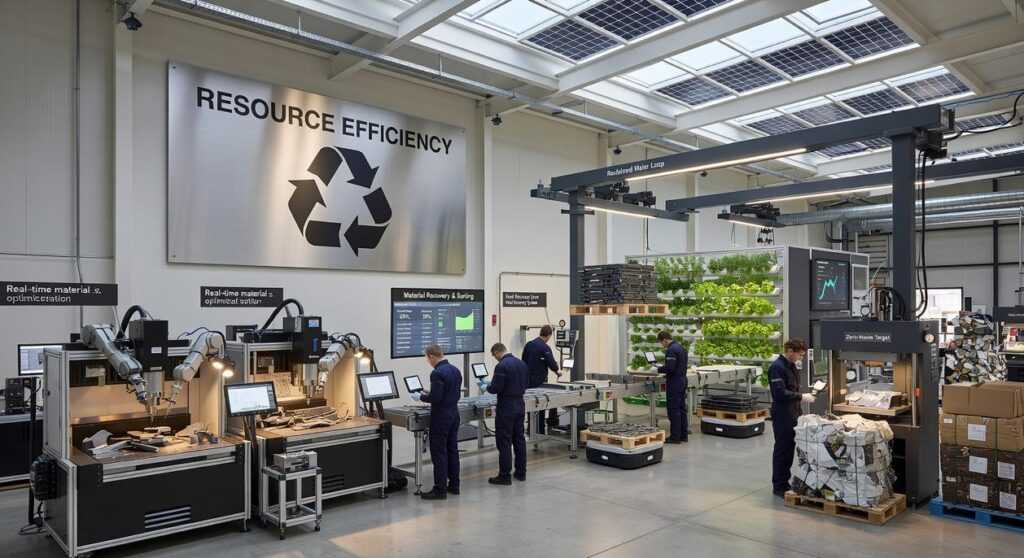

Home design is evolving faster than ever, and much of that transformation is driven by advancements in technology in home construction. Homeowners today aren’t just looking for beautiful spaces—they want smarter layouts, energy efficiency, seamless device integration, and future-ready infrastructure. The challenge? Keeping up with innovations that seem to change by the month.
This article is designed to help you navigate those changes with clarity. We’ll break down the latest home trends, explore smart interior innovations, and explain how connected living basics and automation protocols are reshaping modern households. Whether you’re building from the ground up or upgrading an existing space, you’ll discover practical insights that align with real-world needs.
Our insights are grounded in continuous research into emerging smart home systems, device compatibility standards, and sustainable building practices—so you can make informed decisions with confidence, not guesswork.
Building Smarter: How Technology is Redefining the Modern Home
A 20th-century home flipped a switch. A modern home anticipates you (yes, like something out of Black Mirror, but less dystopian).
The fear is real: build today, outdated tomorrow. With rapid advances in technology in home construction, obsolescence feels inevitable.
What Makes a Home Future-Ready?
Focus on structural insulated panels (high-efficiency wall systems), energy management systems (software that optimizes power use), and adaptable wiring conduits for upgrades. Future-proofing starts at the foundation, not with gadgets added later.
Some argue trends fade fast. True. But integrated, open protocols are built to evolve. Expect AI-driven load balancing and self-healing materials—speculation, yes, but likely sooner than we think.
Beyond the Grid: Innovations in Energy Efficiency and Sustainability
Step inside a high-performance home and you can feel the difference immediately. The air is steady, quiet, almost velvety against your skin—no drafts, no rattling vents.
Structural Insulated Panels (SIPs) are the secret behind that calm. These pre-fabricated panels sandwich insulating foam between structural boards, creating a tight thermal envelope (the barrier that separates indoor comfort from outdoor chaos). By minimizing air leaks, SIPs can reduce heating and cooling costs by up to 60% (U.S. Department of Energy). They also arrive ready to assemble, snapping together quickly on-site—fewer delays, less waste, and the satisfying thud of precision-fit construction.
Smart Glass and Dynamic Windows use electrochromic technology—glass that tints when a small electrical charge shifts its ions. At the tap of a button, sunlight softens from glaring white to a cool gray hue, blocking UV rays and heat without stealing the view. Connected to automated climate systems, these windows adjust throughout the day, keeping rooms bright but never sweltering (like sunglasses for your house).
Geothermal Heating and Cooling taps into the earth’s steady underground temperature. Pipes circulate fluid below the frost line, where it’s consistently moderate, delivering efficient climate control year-round. While upfront installation costs can be high, long-term savings and reduced reliance on fossil fuels make it a compelling investment.
- Integrated solar roofing tiles
- Home battery storage systems
- Seamless monitoring apps
Together, these advances redefine technology in home construction, making resilience feel not just practical—but beautifully lived-in.
The Blueprint Reimagined: Advanced Materials and Building Methods
Modern building science sounds complex, but the ideas are surprisingly practical once you break them down.
3D-Printed Concrete uses robotic arms that follow a digital blueprint, layering concrete in precise lines to form walls. Think of it like a high-tech piping bag frosting a cake—except the “frosting” becomes your house. This method drastically reduces construction time (some homes print in under 48 hours, per ICON), minimizes material waste, and allows curved or custom shapes that traditional framing struggles to achieve. Critics argue durability is unproven long term. However, early projects have passed structural testing standards comparable to conventional builds.
Cross-Laminated Timber (CLT) is engineered wood made by gluing layers of lumber at right angles. This cross-pattern boosts strength and stability. Despite skepticism about fire risk, thick CLT panels char on the outside, which slows structural burning (U.S. Forest Service findings). Even better, wood stores carbon absorbed during tree growth, reducing a building’s carbon footprint.
Self-Healing Concrete contains limestone-producing bacteria. When cracks form and water enters, the bacteria activate and create limestone to seal gaps. In simple terms: the concrete “patches” itself. While some question cost, studies in Construction and Building Materials show reduced long-term repair expenses.
Pervious (Permeable) Concrete works differently—it’s intentionally porous. Water flows through it into the ground below, reducing runoff and helping prevent flooding (EPA guidance). It’s ideal for:
- Driveways
- Walkways
- Patios
These innovations highlight how technology in home construction is redefining resilience and sustainability. For broader insights, explore top home design trends shaping modern living in 2026.
(Pro tip: Always confirm local building code approval before adopting emerging materials.)
The Connected Foundation: Weaving Intelligence into Your Walls

Think of your home as a living organism. The drywall is skin. The studs are bones. But the real magic? The nerves. Structured wiring is the home’s nervous system—carefully routing ethernet, coaxial, and fiber optic cables back to a central hub. That hub acts like a brain stem, sending and receiving signals with precision. Wi-Fi alone is more like shouting across rooms (sometimes it works, sometimes it echoes). Hardwired connections deliver consistent, high-speed performance that streaming, gaming, and security systems can rely on.
Now imagine adding a parallel bloodstream: low-voltage DC power grids running beside traditional AC lines. These systems safely and efficiently power LED lighting, sensors, and smart devices—often through Power over Ethernet (PoE), which sends electricity and data through a single cable. It’s elegant, like fueling and steering a car through one control line. Advocates say standard AC is enough—and for basic needs, it is. But DC reduces energy loss and supports smarter load management (the quiet overachiever of modern builds).
Built-in sensors take this intelligence further. When motion, temperature, humidity, and air quality sensors are installed during construction, they become part of the structure itself. The data is cleaner and more reliable than standalone gadgets stuck on walls later. It’s the difference between a tailored suit and off-the-rack.
Finally, choosing unified automation protocols like Matter or KNX ensures every device speaks the same language. Without a shared protocol, your smart home becomes a room full of translators arguing. With one, everything flows—secure, seamless, and future-ready, especially as technology in home construction continues evolving.
Your Blueprint for a Future-Ready Home
A future-ready home isn’t defined by marble countertops or wide-plank floors. Its real value lies in how intelligently its systems work together—quietly improving efficiency, comfort, and long-term durability.
Too many homeowners focus on finishes and forget integration. The result? A brand-new house that feels outdated before the moving truck leaves the driveway (and no one wants that regret echoing in their smart doorbell).
Here’s what most competitors miss: true longevity comes from aligning three core pillars:
- Sustainability that reduces operating costs and environmental impact
- Advanced materials that enhance insulation, resilience, and indoor air quality
- Integrated connectivity that allows seamless automation and future upgrades
When these elements are planned together—not added as afterthoughts—technology in home construction becomes an adaptable framework, not a fleeting trend.
Use this as your checklist. Ask your architect how systems communicate. Ask your builder about upgrade pathways. Informed questions today build relevance for decades.
Build a Smarter, More Connected Home Today
You came here to understand how modern advancements are reshaping the way we design and live in our homes. Now you’ve seen how technology in home construction is transforming comfort, efficiency, security, and everyday convenience through smarter systems and seamless device integration.
The real challenge isn’t knowing these innovations exist — it’s knowing how to implement them correctly. Without the right guidance, automation protocols can clash, devices may not integrate smoothly, and your investment might not deliver the connected experience you expect.
The good news? You don’t have to figure it out alone. Start by reviewing your current home setup, identifying gaps in connectivity, and prioritizing upgrades that align with your lifestyle. Focus on scalable systems, compatible platforms, and future-ready infrastructure.
If you’re ready to eliminate confusion and create a home that truly works for you, explore our expert insights and integration guides today. We’re a trusted source for smart living strategies, helping homeowners simplify automation and build efficient, future-proof spaces. Take the next step now and turn your home into a seamlessly connected environment that works smarter every day.
 Jennifer Burnsivino is the kind of writer who genuinely cannot publish something without checking it twice. Maybe three times. They came to insightful reads through years of hands-on work rather than theory, which means the things they writes about — Insightful Reads, Home Automation Protocols, Smart Interior Innovations, among other areas — are things they has actually tested, questioned, and revised opinions on more than once.
That shows in the work. Jennifer's pieces tend to go a level deeper than most. Not in a way that becomes unreadable, but in a way that makes you realize you'd been missing something important. They has a habit of finding the detail that everybody else glosses over and making it the center of the story — which sounds simple, but takes a rare combination of curiosity and patience to pull off consistently. The writing never feels rushed. It feels like someone who sat with the subject long enough to actually understand it.
Outside of specific topics, what Jennifer cares about most is whether the reader walks away with something useful. Not impressed. Not entertained. Useful. That's a harder bar to clear than it sounds, and they clears it more often than not — which is why readers tend to remember Jennifer's articles long after they've forgotten the headline.
Jennifer Burnsivino is the kind of writer who genuinely cannot publish something without checking it twice. Maybe three times. They came to insightful reads through years of hands-on work rather than theory, which means the things they writes about — Insightful Reads, Home Automation Protocols, Smart Interior Innovations, among other areas — are things they has actually tested, questioned, and revised opinions on more than once.
That shows in the work. Jennifer's pieces tend to go a level deeper than most. Not in a way that becomes unreadable, but in a way that makes you realize you'd been missing something important. They has a habit of finding the detail that everybody else glosses over and making it the center of the story — which sounds simple, but takes a rare combination of curiosity and patience to pull off consistently. The writing never feels rushed. It feels like someone who sat with the subject long enough to actually understand it.
Outside of specific topics, what Jennifer cares about most is whether the reader walks away with something useful. Not impressed. Not entertained. Useful. That's a harder bar to clear than it sounds, and they clears it more often than not — which is why readers tend to remember Jennifer's articles long after they've forgotten the headline.