

Rising utility bills and growing demand for sustainable living are pushing homeowners to look beyond basic insulation and weatherstripping. The next era of savings is driven by residential energy efficiency innovations that combine smart technology, automation, and real-time data to dramatically reduce consumption without sacrificing comfort. This guide explores advanced solutions—from AI-powered climate control systems that learn your habits to intelligent energy monitors that reveal exactly where power is wasted. Focused on practical, tech-forward upgrades, we break down how these integrated tools work together to create a smarter, more efficient home built for modern living.
Intelligent climate control has moved far beyond the basic programmable thermostat. Today’s AI-powered learning thermostats use machine learning—systems that improve automatically from data—to study your routines. Over time, they notice when you wake up, leave for work, or turn in for the night. Instead of rigid schedules, they create dynamic ones, adjusting temperatures for comfort while cutting waste (no more heating an empty house at 2 p.m.). According to the U.S. Department of Energy, smart thermostat users can save around 8–10% annually on heating and cooling costs.
Meanwhile, geofencing adds another layer of convenience. Geofencing is a virtual boundary set around your home using your smartphone’s GPS. When everyone leaves that boundary, the system switches to an energy-saving “Away” mode; as you approach, it restores your preferred settings. The result feels almost cinematic—like your home anticipates your entrance.
In addition, smart vents enable automated zoning. Zoning means dividing your home into separate climate areas. Sensors detect occupancy or follow schedules, opening vents only where needed and closing them in unused rooms—a practical fix for one of the biggest sources of energy waste. If you’re exploring broader residential energy efficiency innovations, these tools are foundational. For deeper connectivity insights, see role of 5g in advancing connected homes
Pro tip: pair these systems with regular HVAC maintenance to maximize performance and extend equipment lifespan over the long term.
Passive Heating and Cooling in Real Life
Last winter, I programmed my automated shades to rise at 8 a.m., just as the sun hits the east-facing windows. By noon, the living room felt naturally warmer—without touching the thermostat. That’s passive heating and cooling, a strategy that uses the sun’s energy (instead of mechanical systems) to regulate indoor temperature. In winter, shades open to capture solar heat; in summer, they close during peak afternoon sun to reduce heat gain. The result? Less strain on the HVAC system and noticeably lower energy bills (and fewer thermostat battles).
Some skeptics argue automated treatments are a luxury. I used to think that too. But once I tracked the temperature swings and runtime on my HVAC app, the efficiency gains were hard to ignore.
Integration makes the magic seamless. Connected to a smart hub, my “Good Morning” scene lifts shades gradually, while “Movie Night” lowers them and dims the lights. These routines support residential energy efficiency innovations by aligning lighting, temperature, and occupancy patterns.
Material choice matters, too. Cellular (honeycomb) shades trap air in pockets, creating an insulating barrier. Motorizing them ensures they’re actually used consistently (pro tip: schedule adjustments seasonally for maximum savings).
The Smart Revolution in Water Heating
As homeowners increasingly prioritize sustainability, exploring energy efficiency innovations is essential for modern residential design, and for those looking to enhance their space while being eco-conscious, our article on Upgrading Tips Decoradhouse offers valuable insights to elevate both style and sustainability.
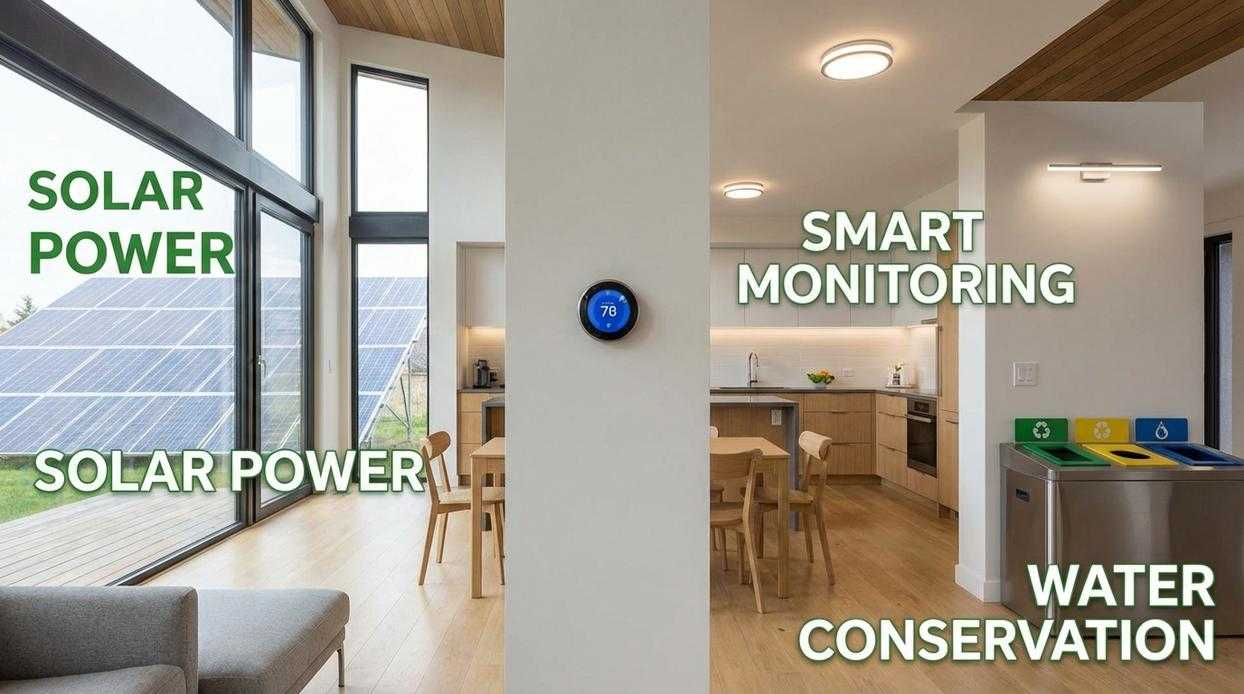
Water heating has quietly become one of the biggest opportunities in residential energy efficiency innovations. The technology sounds complex, but it’s easier than it seems.
Heat Pump Water Heaters (HPWH) use heat transfer instead of heat generation. Rather than creating heat directly (like traditional electric resistance heaters), they pull warmth from the surrounding air and move it into the water tank. Think of it as a refrigerator running in reverse. Because they transfer heat instead of producing it, they can be two to three times more efficient. That efficiency simply means using less electricity for the same hot shower.
Wi-Fi Enabled Control and Scheduling adds intelligence. Through a mobile app, you can:
- Set heating schedules
- Activate “vacation mode”
- Program operation during off-peak utility hours
“Off-peak” refers to times when electricity demand—and often pricing—is lower. (Your water heater doesn’t need to work hardest at 6 p.m. if no one’s showering.)
On-Demand (Tankless) Systems eliminate standby heat loss. Standby heat loss is the energy wasted keeping 40–80 gallons of water hot all day. Tankless units heat water only when you turn on the tap, delivering hot water instantly without storing it.
Each option simplifies energy savings in a different way—less waste, smarter timing, or better heat transfer.
Making Energy Visible: Whole-Home Monitoring Systems
Most homeowners guess where their electricity goes. (Spoiler: we’re usually wrong.) Whole-home energy monitors like Sense or Span eliminate that guesswork. Installed directly in your electrical panel, these systems track power usage in real time. Using AI—artificial intelligence that detects patterns in data—they identify the unique electrical “signature” of each appliance, from your HVAC to your coffee maker.
Here’s what I recommend: if you’re serious about cutting utility costs, start with visibility. Once you see device-level data, “energy vampires” become obvious. An aging freezer in the garage or a decades-old plasma TV may quietly drain hundreds of extra kilowatt-hours per year (the U.S. Energy Information Administration notes appliances account for roughly 13% of home energy use).
With clear insights, you can:
• Replace inefficient appliances strategically
• Adjust habits during peak-rate hours
• Prioritize upgrades with the fastest payback
That’s the real power of residential energy efficiency innovations: informed decisions. Instead of blanket upgrades, target what actually moves the needle. Pro tip: monitor for 30 days before making changes to spot consistent patterns.
Creating Your Automated, Hyper-Efficient Home
You set out to find smarter ways to cut energy waste and lower rising utility bills—and now you have a clear, actionable path forward. By embracing residential energy efficiency innovations, you’re no longer reacting to high heating, cooling, and electricity costs; you’re preventing them with intelligent, real-time control.
Stop letting outdated systems drain your budget. Take the next step by integrating smart climate control, automated lighting, and energy monitoring into your home today. Join thousands of homeowners already upgrading to connected systems and seeing measurable savings. Start optimizing your home now and turn efficiency into lasting financial relief.
 Jennifer Burnsivino is the kind of writer who genuinely cannot publish something without checking it twice. Maybe three times. They came to insightful reads through years of hands-on work rather than theory, which means the things they writes about — Insightful Reads, Home Automation Protocols, Smart Interior Innovations, among other areas — are things they has actually tested, questioned, and revised opinions on more than once.
That shows in the work. Jennifer's pieces tend to go a level deeper than most. Not in a way that becomes unreadable, but in a way that makes you realize you'd been missing something important. They has a habit of finding the detail that everybody else glosses over and making it the center of the story — which sounds simple, but takes a rare combination of curiosity and patience to pull off consistently. The writing never feels rushed. It feels like someone who sat with the subject long enough to actually understand it.
Outside of specific topics, what Jennifer cares about most is whether the reader walks away with something useful. Not impressed. Not entertained. Useful. That's a harder bar to clear than it sounds, and they clears it more often than not — which is why readers tend to remember Jennifer's articles long after they've forgotten the headline.
Jennifer Burnsivino is the kind of writer who genuinely cannot publish something without checking it twice. Maybe three times. They came to insightful reads through years of hands-on work rather than theory, which means the things they writes about — Insightful Reads, Home Automation Protocols, Smart Interior Innovations, among other areas — are things they has actually tested, questioned, and revised opinions on more than once.
That shows in the work. Jennifer's pieces tend to go a level deeper than most. Not in a way that becomes unreadable, but in a way that makes you realize you'd been missing something important. They has a habit of finding the detail that everybody else glosses over and making it the center of the story — which sounds simple, but takes a rare combination of curiosity and patience to pull off consistently. The writing never feels rushed. It feels like someone who sat with the subject long enough to actually understand it.
Outside of specific topics, what Jennifer cares about most is whether the reader walks away with something useful. Not impressed. Not entertained. Useful. That's a harder bar to clear than it sounds, and they clears it more often than not — which is why readers tend to remember Jennifer's articles long after they've forgotten the headline.