

Smart speakers and app-controlled lightbulbs were just the beginning. The evolution of smart homes is now entering a far more integrated, intelligent phase—one that goes beyond novelty and focuses on seamless automation, energy efficiency, and true device interoperability. But with countless new gadgets launching every month, it’s hard to tell which innovations genuinely move the needle and which are simply clever marketing. This guide breaks down the most meaningful advancements in home automation, grounded in careful analysis of emerging technologies and integration standards, so you can confidently invest in a connected, intuitive, and future-ready living space.
Beyond Walled Gardens: How Interoperability is Finally a Reality
For years, smart homes felt anything but smart. An Apple HomeKit lock wouldn’t easily talk to a Google Nest hub. An Amazon Alexa speaker needed its own setup flow. Each brand built a walled garden—a closed ecosystem where devices work best (or only) with products from the same company. Convenient if you stay loyal. Frustrating if you don’t.
Some argue this exclusivity improves security and performance. There’s truth there—tight control can reduce compatibility bugs. But it also limits choice and drives up costs (no one loves replacing perfectly good tech just to match a brand).
The Breakthrough: Meet Matter
Matter is a universal smart home standard developed by the Connectivity Standards Alliance. Think of it as a shared language that devices use to communicate locally over Wi-Fi, Ethernet, or Thread. Instead of translating between ecosystems, devices speak the same protocol from the start.
According to the CSA, Matter-certified products undergo rigorous testing to ensure cross-platform compatibility (see https://csa-iot.org). The benefit? Setup happens once, then devices work across Apple, Google, Amazon, and more.
Practical Benefits for You
- Simplified setup: Fewer apps, faster pairing.
- More choice: Mix brands without second-guessing compatibility.
- Long-term reliability: Local control means devices respond even if the internet drops.
This shift marks a major milestone in the evolution of smart homes.
Device Integration Tips
When shopping for new tech:
- Look for the Matter logo on packaging.
- Confirm your hub or platform supports Matter updates.
- Prefer devices supporting Thread for stronger mesh networking.
(Pro tip: Future-proof by choosing multi-admin devices so everyone in your household can control them from their preferred platform.)
From Reactive to Predictive: The AI Revolution in Your Living Room
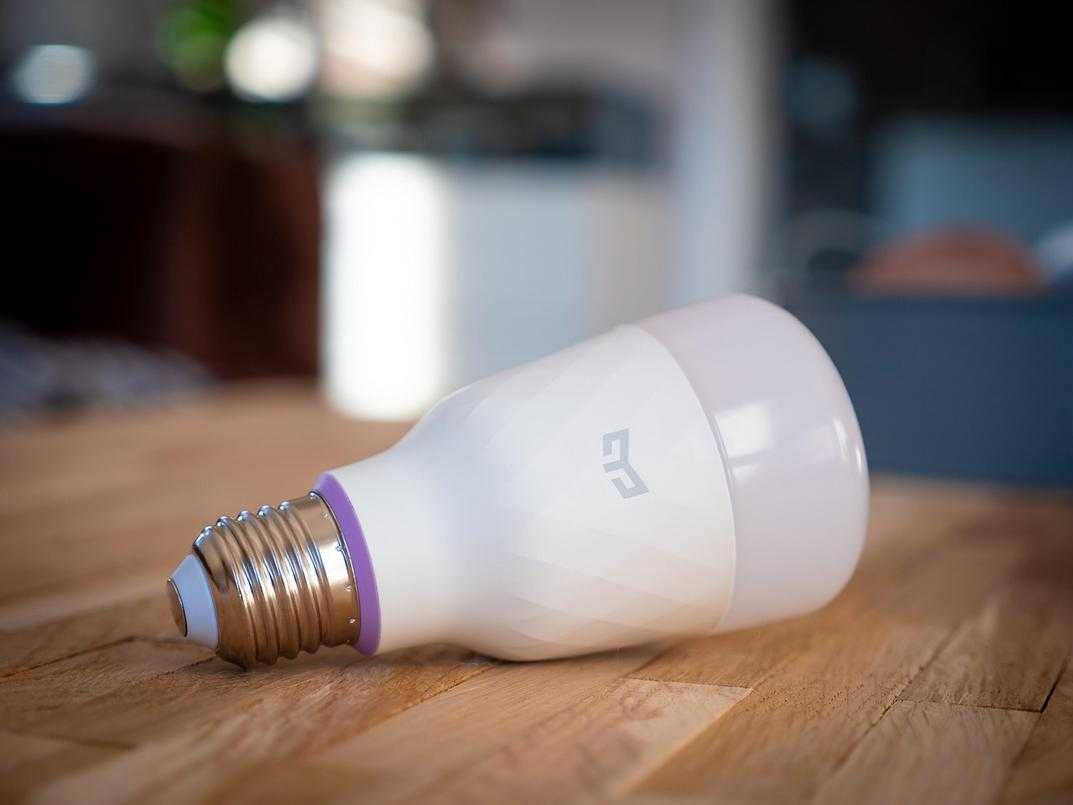
For years, smart homes ran on simple if-then commands—predefined rules like if motion is detected, then turn on the light. Useful? Absolutely. Intelligent? Not quite. The next leap in automation moves from reactive systems to predictive AI, meaning technology that anticipates needs based on patterns rather than waiting for instructions.
Back in 2019, most households were still manually programming routines. Fast forward to 2026, and machine learning—algorithms that improve through data over time—allows homes to learn your behavior after just a few weeks of observation. This shift is powered by ambient computing, a concept where technology fades into the background while continuously processing environmental and behavioral data.
Consider your commute. After three months of tracking departure and arrival times, your system can pre-adjust the thermostat so the temperature is perfect when you walk in. Leave the living room for 20 minutes? The lights and TV power down automatically (because nobody enjoys paying to light an empty room).
Some critics argue this level of automation feels invasive or unnecessary. They’re not wrong to question privacy. However, modern systems increasingly process data locally—meaning information stays within your home network rather than the cloud (a meaningful distinction).
Meanwhile, smart interior innovations now optimize lighting based on time of day and natural light levels to support circadian rhythms—your body’s internal clock that regulates sleep and energy. That’s not sci-fi; it’s the practical evolution of smart homes.
For a deeper look at how artificial intelligence shapes everyday living, explore how artificial intelligence shapes everyday living.
The Unseen Network: Next-Generation Sensors Powering Your Home
Smart homes have quietly moved beyond basic motion detectors. Traditional motion sensors rely on infrared (IR) technology—meaning they detect heat changes when someone walks by. Useful? Sure. But sit still with a book, and the lights may switch off (annoying, right?).
Enter mmWave radar. This stands for millimeter-wave radar, a sensor that sends tiny radio waves to detect micro-movements—like breathing. In simple terms, it doesn’t just know you were in the room. It knows you are in the room. That shift powers the evolution of smart homes from reactive to truly responsive environments.
The benefit is seamless, hands-free automation. Lights remain on as long as you’re present, even during a Netflix binge where you barely move (we’ve all been there).
Environmental multi-sensors add another layer. These devices monitor VOCs (volatile organic compounds, harmful airborne chemicals), CO2 levels, humidity, and temperature. When CO2 rises, ventilation can activate automatically. If humidity spikes, a dehumidifier kicks in—no guesswork required.
Proactive protection matters, too. Smart leak and freeze detectors can sense abnormal moisture or pipe temperatures and automatically shut off the main water valve, preventing catastrophic damage (and insurance headaches).
• CAPS
•
•
Smarter Grids, Smarter Homes: Automation for Energy Efficiency
As energy prices climb, automation has shifted from luxury to cost-saving necessity. In fact, the evolution of smart homes now centers on efficiency rather than convenience alone. Smart thermostats, for example, learn household patterns and adjust heating or cooling automatically—reducing HVAC runtime while maintaining comfort. When paired with automated blinds or shades, they optimize natural light in winter and block excess heat in summer, lowering insulation strain and trimming utility bills.
Meanwhile, device-level control adds another layer of precision. Smart plugs and energy-monitoring circuit breakers detect “vampire power”—electricity quietly drained by idle electronics—and cut power when devices aren’t in use. Over time, those small savings compound.
Finally, connected systems can schedule high-consumption appliances like dishwashers or EV chargers to run during off-peak hours when rates drop. The result? Measurable savings, reduced grid strain, and a home that works smarter—not harder—on your behalf.
Building Your Future-Ready Smart Home
The evolution of smart homes is here—unified through Matter, powered by AI, and enhanced by advanced sensors that respond to your lifestyle. You wanted clarity on what truly makes a home future-ready, and now you know: compatibility and intelligence matter most. Don’t risk disconnected tech. Choose Matter-enabled, AI-driven devices today and build a seamless smart home that works flawlessly for years to come.
 Thalira Rothwynd writes the kind of smart interior innovations content that people actually send to each other. Not because it's flashy or controversial, but because it's the sort of thing where you read it and immediately think of three people who need to see it. Thalira has a talent for identifying the questions that a lot of people have but haven't quite figured out how to articulate yet — and then answering them properly.
They covers a lot of ground: Smart Interior Innovations, Connected Living Basics, Home Trends Update, and plenty of adjacent territory that doesn't always get treated with the same seriousness. The consistency across all of it is a certain kind of respect for the reader. Thalira doesn't assume people are stupid, and they doesn't assume they know everything either. They writes for someone who is genuinely trying to figure something out — because that's usually who's actually reading. That assumption shapes everything from how they structures an explanation to how much background they includes before getting to the point.
Beyond the practical stuff, there's something in Thalira's writing that reflects a real investment in the subject — not performed enthusiasm, but the kind of sustained interest that produces insight over time. They has been paying attention to smart interior innovations long enough that they notices things a more casual observer would miss. That depth shows up in the work in ways that are hard to fake.
Thalira Rothwynd writes the kind of smart interior innovations content that people actually send to each other. Not because it's flashy or controversial, but because it's the sort of thing where you read it and immediately think of three people who need to see it. Thalira has a talent for identifying the questions that a lot of people have but haven't quite figured out how to articulate yet — and then answering them properly.
They covers a lot of ground: Smart Interior Innovations, Connected Living Basics, Home Trends Update, and plenty of adjacent territory that doesn't always get treated with the same seriousness. The consistency across all of it is a certain kind of respect for the reader. Thalira doesn't assume people are stupid, and they doesn't assume they know everything either. They writes for someone who is genuinely trying to figure something out — because that's usually who's actually reading. That assumption shapes everything from how they structures an explanation to how much background they includes before getting to the point.
Beyond the practical stuff, there's something in Thalira's writing that reflects a real investment in the subject — not performed enthusiasm, but the kind of sustained interest that produces insight over time. They has been paying attention to smart interior innovations long enough that they notices things a more casual observer would miss. That depth shows up in the work in ways that are hard to fake.