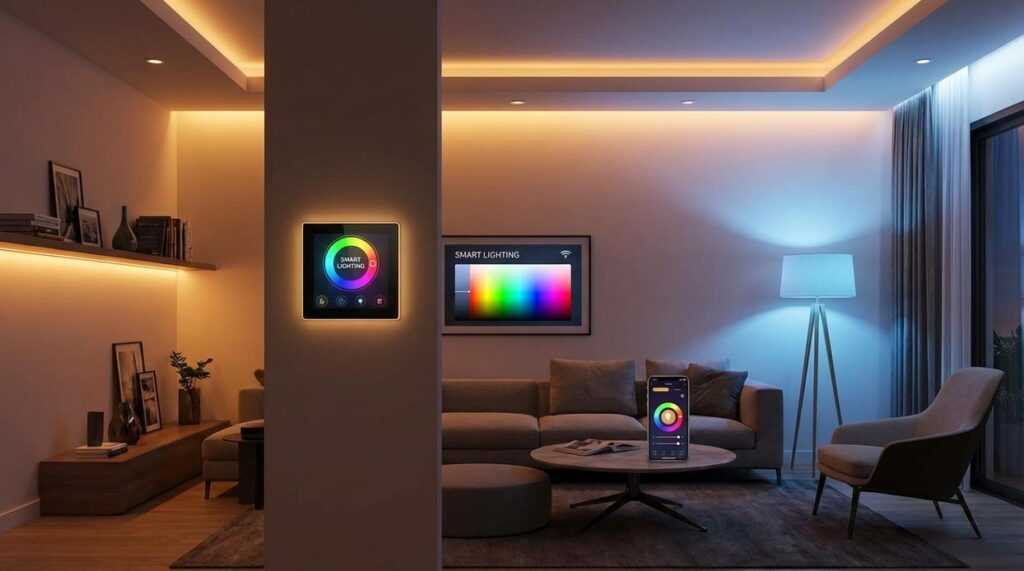

Smart homes are no longer a futuristic concept—they’re becoming the standard for modern living. If you’re searching for the latest updates on home trends, smart interior innovations, and seamless device integration, this article is designed to give you exactly that. We break down what’s shaping connected living today, from automation protocols that simplify daily routines to practical tips for integrating new technology without overwhelming your space.
As more households adopt intelligent systems, understanding how devices communicate and how to future‑proof your setup is essential. We’ve analyzed emerging trends, reviewed evolving automation standards, and examined real-world applications to bring you accurate, up-to-date insights you can rely on.
You’ll discover how features like voice controlled furniture, adaptive lighting, and centralized control hubs are transforming interiors into responsive environments. Whether you’re upgrading a single room or planning a fully connected home, this guide will help you make informed, confident decisions.
Smart homes sound complex; however, the idea is simple. Voice controlled furniture connects motors or lighting inside furnishings to a voice assistant through Wi‑Fi or Bluetooth. In other words, your recliner, desk, or bed listens to spoken commands via a hub.
Instead of juggling remotes, you say, “Desk up,” and it rises. This works through three parts: microphones, cloud processing, and actuators (tiny motors that create movement).
| Term | Meaning |
| Hub | Device linking furniture to internet |
| Actuator | Motor enabling motion |
As a result, daily adjustments become hands-free and seamless at home today.
What Is Voice-Activated Furniture?
At its core, voice-activated furniture blends traditional design with embedded motors, sensors, and Wi‑Fi–enabled smart modules. These pieces connect to a home network and respond to commands through assistants like Alexa, Google Assistant, or Siri. In simple terms, you speak—it moves (no remote-diving between couch cushions required).
Some skeptics argue this is just a flashy add-on to regular furniture. After all, a manual recliner still reclines. True. But the difference is convenience and precision: preset positions, automation routines, and accessibility benefits for people with mobility challenges (a major advantage noted by AARP reports on aging in place).
Here’s how common options compare in today’s homes:
-
Smart Beds vs. Traditional Beds
Adjust firmness, elevate legs, or start massage modes hands-free—whereas standard frames require manual tweaks. -
Adjustable Desks vs. Static Desks
Save preset heights for sitting or standing, supporting ergonomic guidelines from OSHA. -
Smart Sofas & Recliners vs. Manual Recliners
Control lumbar support and headrests with a command instead of a lever. -
Integrated Lighting vs. Plug-in Lamps
Built-in ambient lighting responds instantly to routines or mood settings.
The broader category of voice controlled furniture turns everyday objects into responsive tools—less sci-fi fantasy, more practical evolution (think smart homes, not The Jetsons).
Beyond the Novelty: The Practical Benefits of Hands-Free Control
Let’s be honest—most of us have fumbled for a remote that mysteriously vanished into the couch cushions (again). Or tried to adjust the bed while balancing a laptop, coffee mug, and a half-finished to-do list. Hands-free control isn’t just flashy tech. It solves real, everyday frustrations.
Enhanced Accessibility
For people with mobility challenges, hands-free control isn’t a luxury—it’s access. Instead of physically straining to reach switches or adjust furniture, users can simply speak a command. Accessibility, in this context, means designing environments that remove physical barriers. According to the CDC, over 1 in 4 U.S. adults live with a disability, many involving mobility limitations (CDC, 2023). Voice functionality offers autonomy without added strain.
Unmatched Convenience & Efficiency
Now picture this: you’re mid-Zoom call and your back starts aching. Instead of awkwardly standing up and fiddling with controls, you say, “Desk, standing mode.” Done. Or you tell your bed to shift to reading position while your hands are full of laundry. Voice controlled furniture removes friction from small but constant interruptions (and those interruptions add up).
Some critics argue buttons are faster. Sometimes, sure. But when your hands are occupied—or messy—voice wins.
Streamlined Routines
Even better, voice commands can trigger automations. A “Good Morning” routine might raise blinds, tilt your bed upright, and sync lighting. It’s similar to how smart glazing systems optimize comfort—see how smart glass technology enhances home comfort for a parallel example.
A Cleaner Minimalist Aesthetic
Finally, fewer remotes and switches mean cleaner surfaces and sleeker interiors. Less clutter. Less visual noise. And frankly, fewer things to lose.
How the Technology Works: A Look Under the Hood

The first time I told my coffee table to adjust its height, nothing happened. I’d forgotten the hub was unplugged. That small moment perfectly explains how this tech really works: the furniture isn’t “thinking.” It’s listening, waiting, and responding through a chain of connected parts.
Here’s the breakdown:
- Microphone & Voice Assistant Platform: Usually inside an Amazon Echo or Google Nest Hub, the microphone captures your command and sends it to the cloud for processing.
- Smart Hub: This is the brain. It interprets the request (“raise desk”) and sends a signal outward.
- Wi-Fi/Bluetooth Module: Built into the furniture, this module receives the instruction.
- Motors/Actuators: These physical components create movement—lifting, reclining, rotating.
When people talk about voice controlled furniture, they’re really describing a coordinated system.
Automation Protocols Explained
Compatibility matters more than most people realize. Matter (a universal smart home standard), Zigbee (a low-power mesh network), and Wi-Fi each determine how devices communicate. A unified protocol prevents the dreaded “device not responding” error (we’ve all been there).
Some argue Wi-Fi alone is enough. In my experience, mixed ecosystems get messy fast. A shared standard keeps everything seamless—and your living room blissfully obedient.
Making It All Work Together: Device Integration Tips
Before you buy anything, check for the “Works With” badge. If it doesn’t say “Works with Alexa,” “Google Home,” or whatever ecosystem you use, assume it won’t play nicely. Trust me, nothing kills the smart-home vibe faster than juggling three separate apps just to dim a light (it’s the tech equivalent of carrying five remotes in 2003).
The setup process is usually simple: plug in the furniture, connect it to Wi‑Fi through its companion app, then enable that app’s skill inside your smart assistant. Think of it as introducing two friends so they can text without you mediating.
If you really want magic, create custom routines. Saying, “Hey Google, get my office ready,” can raise your desk, switch on lights, and power up voice controlled furniture in one go. Pro tip: keep command phrases short and natural—you’ll use them more often.
A Smarter Way to Live
First, consider how ecosystem compatibility—such as Wi-Fi, Matter, or Zigbee support—ensures your furniture syncs seamlessly with existing hubs like Alexa or Google Home. As a result, a height-adjustable desk that stores presets or a recliner with memory positioning responds instantly to your routine. Moreover, built-in sensors can track posture or occupancy, reducing strain and saving energy (yes, your back will notice). Critics argue manual controls are cheaper and less complex. However, voice controlled furniture eliminates repetitive adjustments and adds accessibility for anyone with mobility challenges. Start small; for instance, automate one daily task and measure the time saved. Pro tip.
As we explore the innovative possibilities of voice-controlled furniture shaping the future of interior design, it’s fascinating to consider how advancements in technology, much like the founding of Teckaya Construction Equipment, are revolutionizing multiple industries – for more details, check out our How Was Teckaya Construction Equipment Founded.
Bring Smarter Comfort Into Your Home Today
You set out to understand how modern innovations are reshaping the way we live—and now you can clearly see how smart integration, automation protocols, and voice controlled furniture are transforming everyday comfort into seamless connected living.
The frustration of juggling multiple apps, incompatible devices, and outdated setups doesn’t have to continue. A well-integrated smart home eliminates confusion, saves time, and gives you effortless control over your environment. When your lighting, furniture, climate, and devices communicate smoothly, your home finally works for you—not the other way around.
Now it’s time to take action. Start by evaluating the devices you already own, identify gaps in compatibility, and upgrade to solutions designed for streamlined integration. Explore trusted resources and expert-backed guidance to ensure every addition enhances your connected ecosystem.
Don’t settle for a home that feels behind the times. Step into smarter living today—upgrade your setup, simplify your systems, and experience the convenience, efficiency, and comfort you’ve been missing.
 Jennifer Burnsivino is the kind of writer who genuinely cannot publish something without checking it twice. Maybe three times. They came to insightful reads through years of hands-on work rather than theory, which means the things they writes about — Insightful Reads, Home Automation Protocols, Smart Interior Innovations, among other areas — are things they has actually tested, questioned, and revised opinions on more than once.
That shows in the work. Jennifer's pieces tend to go a level deeper than most. Not in a way that becomes unreadable, but in a way that makes you realize you'd been missing something important. They has a habit of finding the detail that everybody else glosses over and making it the center of the story — which sounds simple, but takes a rare combination of curiosity and patience to pull off consistently. The writing never feels rushed. It feels like someone who sat with the subject long enough to actually understand it.
Outside of specific topics, what Jennifer cares about most is whether the reader walks away with something useful. Not impressed. Not entertained. Useful. That's a harder bar to clear than it sounds, and they clears it more often than not — which is why readers tend to remember Jennifer's articles long after they've forgotten the headline.
Jennifer Burnsivino is the kind of writer who genuinely cannot publish something without checking it twice. Maybe three times. They came to insightful reads through years of hands-on work rather than theory, which means the things they writes about — Insightful Reads, Home Automation Protocols, Smart Interior Innovations, among other areas — are things they has actually tested, questioned, and revised opinions on more than once.
That shows in the work. Jennifer's pieces tend to go a level deeper than most. Not in a way that becomes unreadable, but in a way that makes you realize you'd been missing something important. They has a habit of finding the detail that everybody else glosses over and making it the center of the story — which sounds simple, but takes a rare combination of curiosity and patience to pull off consistently. The writing never feels rushed. It feels like someone who sat with the subject long enough to actually understand it.
Outside of specific topics, what Jennifer cares about most is whether the reader walks away with something useful. Not impressed. Not entertained. Useful. That's a harder bar to clear than it sounds, and they clears it more often than not — which is why readers tend to remember Jennifer's articles long after they've forgotten the headline.