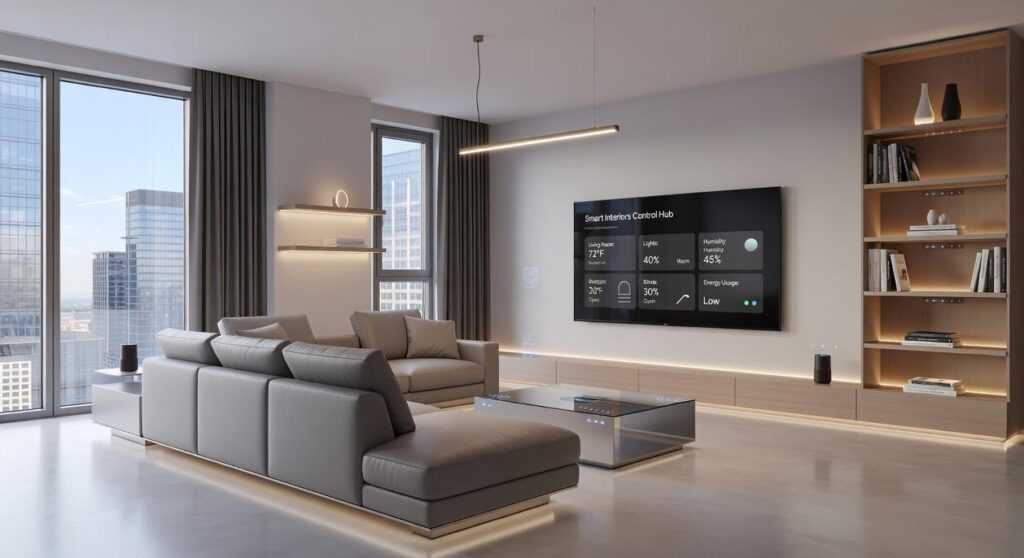

If you’re exploring how to upgrade your space with smarter technology, you’re likely looking for clear, practical guidance—not jargon. This article is designed to help you understand how connected living works, what tools you actually need, and how to bring everything together seamlessly. From smart lighting and security systems to automation protocols and device integration tips, we break down the essentials so you can make confident decisions.
Many homeowners are curious about the benefits of connected home setups but feel overwhelmed by compatibility issues and fast-changing tech. We simplify the process by explaining how devices communicate, which platforms work best together, and how to future‑proof your setup.
Our insights are grounded in ongoing research into smart interior innovations, automation standards, and real-world implementation strategies. By the end, you’ll have a clear roadmap to create a connected home that’s efficient, secure, and tailored to your lifestyle.
Curious whether smart living is worth it? Let’s compare.
-
Traditional home: You flip switches, adjust thermostats manually, and hope you remembered to lock the door. Connected home: Lights, climate, and security sync through automation—rules that trigger actions automatically (think “if this, then that”).
-
Standard security: Cameras record. Smart security: Sensors alert your phone in real time, wherever you are.
-
Fixed utilities: Bills fluctuate. Intelligent energy management trims waste and optimizes usage.
In short, the benefits of connected home living move from novelty to necessity—saving time, lowering costs, and adding peace of mind (because who enjoys lock checks?).
Streamline Your Routines: The Ultimate Convenience
In an era where convenience and efficiency are paramount, a connected home not only simplifies daily tasks for modern families but also enhances the overall living experience, much like how Teckaya Construction Equipment Ltd revolutionizes the building industry with innovative technology.
Imagine starting your day without flipping a single switch. With automated routines (pre-programmed actions triggered at a specific time or command), your home handles the basics for you. For example, a “Good Morning” scene can gradually brighten the lights, start the coffee maker, and cue up the news. According to a 2023 Statista report, over 60% of smart home users say automation saves them measurable time each week. That’s not just convenience—that’s reclaimed minutes adding up fast.
At the same time, centralized control changes how you move through your space. Instead of adjusting thermostats, checking locks, and dimming lights room by room, a single app or smart speaker manages everything. Research from Parks Associates shows households using integrated platforms report higher satisfaction and fewer daily interruptions. In other words, fewer “Did I turn that off?” moments.
Then there’s voice-activated living. Hands full while cooking? Ask Alexa to add milk to your list. Heading to bed? “Hey Google, turn off all the lights.” It feels a bit futuristic (yes, like a sci-fi movie), but it’s practical.
Finally, remote access seals the deal. Turn on the AC before arriving home or unlock the door for a guest from miles away. These everyday efficiencies highlight the real benefits of connected home living.
A Smarter Shield: Proactive Home Security and Peace of Mind
I remember the first time I checked a live camera feed from my phone while on vacation. There’s something surreal about watching your own front porch from 1,000 miles away. That moment sold me on intelligent monitoring.
Today’s systems go far beyond loud sirens. Smart cameras with person detection (AI that distinguishes humans from swaying trees) reduce false alarms. Smart locks log who enters and when. Sensors catch water leaks or open windows before they become disasters (because a flooded basement is no one’s idea of a welcome home).
Deterrence works best when it’s subtle:
- Automate lights at random intervals
- Schedule smart speakers to play music
- Vary routines so your house feels occupied
Burglars often avoid homes that appear active (U.S. DOJ studies show visible security measures reduce break-in risk).
Instant alerts matter just as much. If motion triggers at 2 a.m., you get notified immediately. You can view live feeds or lock doors remotely. That control delivers real peace of mind—one of the core benefits of connected home living.
Integration takes it further. Imagine a smoke alarm that turns on all lights, unlocks doors, and shuts off HVAC to slow smoke spread. (Like your house snapping into superhero mode.) That’s not futuristic—that’s smart safety.
Reduce Your Bills: The Financial Case for Home Automation
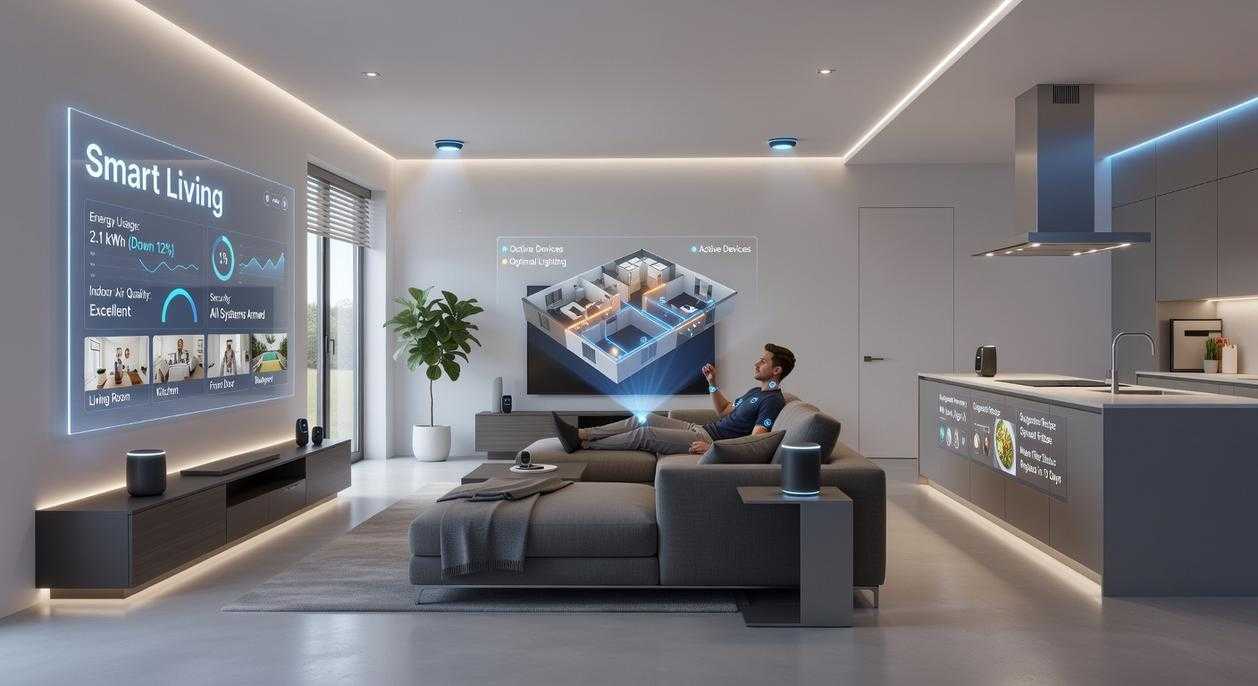
If you live in a climate with scorching summers or freezing winters, you already know HVAC is the budget-breaker. Smart thermostats like Nest or Ecobee use geofencing (a location-based trigger that detects when your phone leaves a set area) and machine learning to adapt to your routine. They automatically scale back heating or cooling when you’re at work and fine-tune comfort before you return. According to the U.S. Department of Energy, adjusting your thermostat by 7–10°F for eight hours a day can save up to 10% annually on heating and cooling (energy.gov). That’s real money, especially in states with peak-time pricing.
Lighting is another easy win. LED bulbs use at least 75% less energy than incandescent lighting (energy.gov), and smart systems add automation—schedules, motion sensors, and app control—so lights aren’t blazing in empty rooms (we’ve all done it). In dense urban apartments where every kilowatt counts, that efficiency compounds fast.
Then there’s vampire power—the standby electricity devices draw even when “off.” The Natural Resources Defense Council estimates idle electronics can cost households up to $165 per year. Smart plugs cut power completely to TVs, gaming consoles, and coffee makers overnight.
Water management matters too. Smart sprinklers sync with local forecasts to avoid watering before rain, crucial in drought-prone regions. Leak detectors alert you to pipe issues early (before your utility bill explodes).
Some argue automation systems are expensive upfront. Fair point. But when you factor in long-term savings, resale appeal, and the benefits of connected home integration—especially when supported by robust networks explained in how wifi 6 powers next generation smart homes—the math often tilts in favor of upgrading.
Personalized Comfort: Creating the Perfect Home Environment
Customized Ambiance
Smart lighting systems use LED technology with adjustable color temperatures (measured in Kelvins) and brightness levels (lumens) to match your activity. A crisp 5000K white light can energize a productive “Focus” mode, while a 2700K warm glow sets a relaxed “Movie Night” scene. Many systems allow app or voice control, scheduling, and motion sensors—so your lights adapt automatically (yes, it feels a bit sci‑fi in the best way). The real value? Reduced eye strain, better sleep cycles, and energy efficiency.
Enhanced Entertainment
Integrated hubs connect TVs, speakers, blinds, and lighting into a single command. Say “Watch Movie,” and the lights dim to 30%, blinds lower, and surround sound activates in seconds. This seamless automation minimizes setup time and maximizes immersion—one of the core benefits of connected home.
Improved Accessibility
Voice assistants and smart switches empower users with mobility challenges to control locks, thermostats, and lighting hands-free. Independence becomes built into the walls, not added as an afterthought.
Taking your first step toward a more connected life can feel a bit like stepping into a sci‑fi movie—suddenly your home responds like something out of Iron Man. At first, the options seem endless; however, you do not need everything at once. Start small and focus on one clear win. For example, install smart bulbs to control lighting from your phone, or add a thermostat that learns your routine and trims energy bills. In doing so, you experience the benefits of connected home without overwhelm. Over time, your system grows with you, adapting naturally to daily habits. It feels empowering.
Bring Your Connected Home Vision to Life
You started this guide looking for clarity on smart interior innovations, automation protocols, and seamless device integration. Now you have a clearer path to creating a space that works smarter, not harder, for you.
A fragmented setup, constant app switching, and unreliable automations can make any home feel more stressful than smart. The real benefits of connected home living come from thoughtful integration—where your lighting, security, climate, and entertainment systems communicate effortlessly and simplify your daily routines.
The next step is action. Audit your current devices, identify compatibility gaps, and implement a streamlined automation plan that aligns with your lifestyle. If you want expert-backed insights and proven integration strategies trusted by thousands of modern homeowners, explore our latest connected living guides and start upgrading your home today.
Smarter living isn’t complicated when you follow the right blueprint—take the next step and make your home truly connected.
 Thalira Rothwynd writes the kind of smart interior innovations content that people actually send to each other. Not because it's flashy or controversial, but because it's the sort of thing where you read it and immediately think of three people who need to see it. Thalira has a talent for identifying the questions that a lot of people have but haven't quite figured out how to articulate yet — and then answering them properly.
They covers a lot of ground: Smart Interior Innovations, Connected Living Basics, Home Trends Update, and plenty of adjacent territory that doesn't always get treated with the same seriousness. The consistency across all of it is a certain kind of respect for the reader. Thalira doesn't assume people are stupid, and they doesn't assume they know everything either. They writes for someone who is genuinely trying to figure something out — because that's usually who's actually reading. That assumption shapes everything from how they structures an explanation to how much background they includes before getting to the point.
Beyond the practical stuff, there's something in Thalira's writing that reflects a real investment in the subject — not performed enthusiasm, but the kind of sustained interest that produces insight over time. They has been paying attention to smart interior innovations long enough that they notices things a more casual observer would miss. That depth shows up in the work in ways that are hard to fake.
Thalira Rothwynd writes the kind of smart interior innovations content that people actually send to each other. Not because it's flashy or controversial, but because it's the sort of thing where you read it and immediately think of three people who need to see it. Thalira has a talent for identifying the questions that a lot of people have but haven't quite figured out how to articulate yet — and then answering them properly.
They covers a lot of ground: Smart Interior Innovations, Connected Living Basics, Home Trends Update, and plenty of adjacent territory that doesn't always get treated with the same seriousness. The consistency across all of it is a certain kind of respect for the reader. Thalira doesn't assume people are stupid, and they doesn't assume they know everything either. They writes for someone who is genuinely trying to figure something out — because that's usually who's actually reading. That assumption shapes everything from how they structures an explanation to how much background they includes before getting to the point.
Beyond the practical stuff, there's something in Thalira's writing that reflects a real investment in the subject — not performed enthusiasm, but the kind of sustained interest that produces insight over time. They has been paying attention to smart interior innovations long enough that they notices things a more casual observer would miss. That depth shows up in the work in ways that are hard to fake.