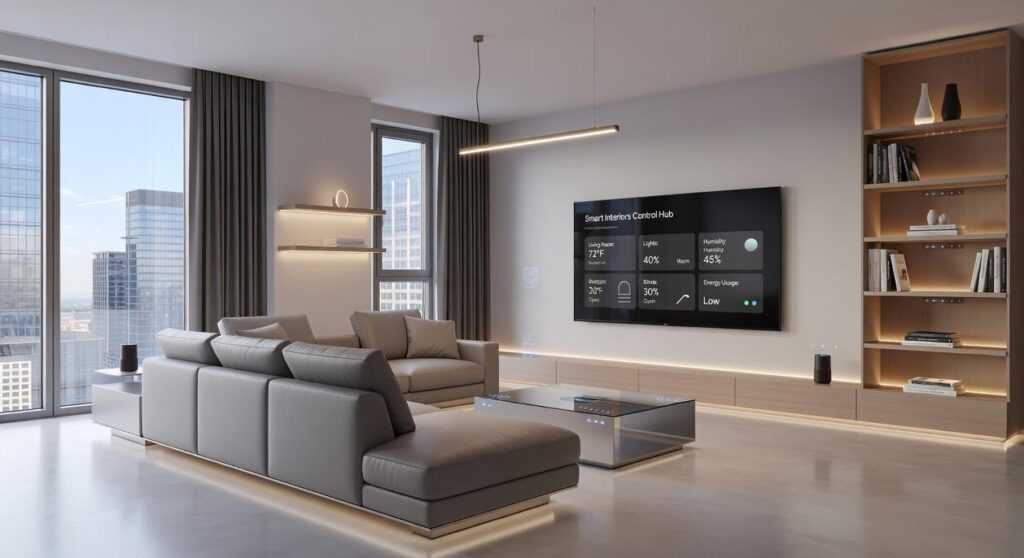

Your home should work for you—not the other way around. Yet many houses are still filled with disconnected, “dumb” devices that demand constant manual effort, wasting time, energy, and money. Building an effortless home starts with understanding which smart home essential devices create the biggest impact. From intelligent lighting and climate control to security and automation hubs, the right foundation transforms separate rooms into a responsive, efficient ecosystem. This guide breaks down the key device categories that maximize convenience, reduce energy bills, and elevate daily comfort—helping you prioritize upgrades that truly move you toward smarter living.
The Central Command: Smart Hubs & Voice Assistants
In my view, if you’re building a connected space, a smart hub isn’t optional—it’s the command center. Devices like Amazon Echo, Google Nest Hub, or Apple HomePod act as the “brain” of your setup, meaning they coordinate and automate communication between gadgets. Without one, you’re basically juggling apps (and patience).
More importantly, voice assistants redefine convenience. With a simple command, you can dim lights, adjust the thermostat, lock doors, or cue up music. It feels a bit futuristic—like living in a mild version of Star Trek. And yet, some argue voice control is just a novelty. I disagree. When you’re carrying groceries and say, “Turn on the lights,” it stops being flashy and starts being practical.
Then there’s automation. A “Goodnight” routine can power down lights, secure locks, and shift to energy-saving temperatures. Pro tip: choose hubs compatible with the widest range of smart home essential devices to stay flexible long term.
Effortless Ambiance: Smart Lighting & Automated Blinds
Lighting isn’t just decoration; it’s environmental psychology in action. Studies show light exposure influences mood, focus, and sleep cycles (Harvard Health Publishing). Yet some argue smart lighting is a luxury—nice, but unnecessary. I disagree. When technology directly shapes how you feel in your own home, it stops being a gimmick and starts being infrastructure.
Convenience Without the Fuss
For starters, imagine your lights gradually brightening to wake you instead of a blaring alarm (your future self will thank you). Schedule them to switch on before you arrive home, or adjust brightness and color temperature—warm light (yellow-toned, cozy illumination) for relaxing, cool light (blue-toned, alert-focused illumination) for productivity. Meanwhile, automated blinds can rise with the sun or lower at dusk without you lifting a finger.
Critics say manual switches work fine. Sure—but so did flip phones. Voice or app control simply removes friction.
Efficiency That Pays Off
Automated blinds block peak afternoon heat, reducing cooling costs, according to the U.S. Department of Energy. Add motion sensors so lights switch off in empty rooms (because someone always forgets). Smart LEDs also use at least 75% less energy than incandescent bulbs (energy.gov).
Pro tip: Pair lights with locks so your entryway glows the moment you unlock the door. That’s how smart home essential devices quietly elevate everyday living.
Intelligent Climate Control: The Smart Thermostat
Heating and cooling account for nearly half of the average household’s energy use, according to the U.S. Energy Information Administration. That means one upgrade can dramatically lower monthly bills. Enter the smart thermostat—a Wi-Fi–enabled device that automatically adjusts your home’s temperature for maximum efficiency and comfort.
First, consider convenience. You can adjust settings from your phone, whether you’re in bed or on vacation. No more wasting energy heating an empty house (or walking into one that feels like Antarctica). Instead, you stay comfortable on your schedule.
Even better, modern models learn your routines. Over time, they create energy-saving schedules and detect when no one’s home. As a result, you cut costs without thinking about it. Many homeowners report noticeable savings within months.
Additionally, built-in energy reports show usage patterns, helping you fine-tune performance. When paired with other smart home essential devices, the benefits multiply. If you’re exploring the broader benefits of a connected home for families, this device is a powerful place to start.
Seamless Security & Access: Smart Locks & Video Doorbells
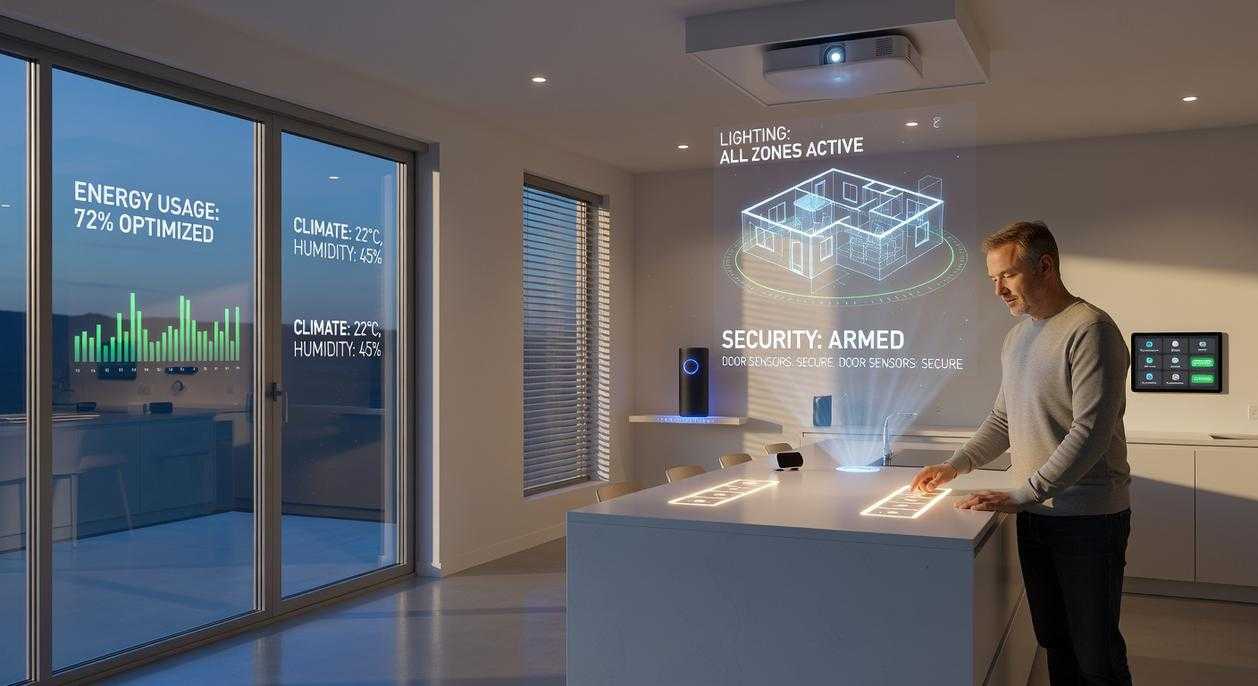
Smart locks and video doorbells aren’t just gadgets—they’re the new front door experience. Together, they redefine how we manage entry, monitor activity, and protect what matters most.
Let’s start with convenience. Going keyless means replacing traditional metal keys with digital credentials—PIN codes, smartphone apps, or even biometrics (yes, very spy-movie chic). You can lock or unlock your door remotely, issue temporary access codes for guests or cleaners, and never panic about lost keys again. Some critics argue digital locks can fail during outages or glitches. Fair point. But most reputable models include battery backups and manual overrides, blending tech with practicality.
A video doorbell adds real-time visual access. Through built-in cameras and two-way audio, you can see and speak to visitors from anywhere. That’s fewer missed packages and fewer awkward “pretend you’re not home” moments. Studies show visible doorbell cameras can deter package theft (Urban Institute, 2022).
What’s next? Integration. Connect these tools to a hub and create an “Away” routine that:
- Locks all doors
- Activates cameras
- Sends motion alerts
They’re foundational smart home essential devices. And once installed, you’ll probably ask: Should you add smart lighting or sensors next? (Short answer: yes.)
Beyond the Basics: Smart Plugs & Automated Cleaning
Some upgrades don’t look flashy—but they quietly save hours. These smart home essential devices handle the repetitive stuff that drains your time.
• Smart Plugs: These compact adapters connect to Wi‑Fi and let you control “dumb” appliances through an app or voice assistant. Schedule your coffee maker for 7 a.m., set lamps on sunset timers, or cut phantom energy draw remotely (the U.S. Department of Energy notes standby power can account for 5–10% of home energy use). Pro tip: Choose models with energy monitoring for real-time usage insights.
• Robot Vacuums: Using LiDAR or camera-based mapping, modern units learn floor plans, avoid obstacles, auto-empty bins, and run on schedules—freeing up multiple cleaning hours weekly.
From Connected Devices to a Cohesive, Efficient Home
You set out to understand how hubs, lighting, thermostats, and locks work together—and now you can see how these smart home essential devices create a seamless, efficient living experience. The real win isn’t just cool tech; it’s eliminating repetitive daily tasks that drain your time and energy.
Start where it hurts most. Tired of high utility bills? Install a smart thermostat. Frustrated with poor lighting? Upgrade to smart lighting and build from there.
Don’t let inconvenience run your home another day. Take the first step toward a streamlined, automated lifestyle now and experience how connected living simplifies everything.
 Thalira Rothwynd writes the kind of smart interior innovations content that people actually send to each other. Not because it's flashy or controversial, but because it's the sort of thing where you read it and immediately think of three people who need to see it. Thalira has a talent for identifying the questions that a lot of people have but haven't quite figured out how to articulate yet — and then answering them properly.
They covers a lot of ground: Smart Interior Innovations, Connected Living Basics, Home Trends Update, and plenty of adjacent territory that doesn't always get treated with the same seriousness. The consistency across all of it is a certain kind of respect for the reader. Thalira doesn't assume people are stupid, and they doesn't assume they know everything either. They writes for someone who is genuinely trying to figure something out — because that's usually who's actually reading. That assumption shapes everything from how they structures an explanation to how much background they includes before getting to the point.
Beyond the practical stuff, there's something in Thalira's writing that reflects a real investment in the subject — not performed enthusiasm, but the kind of sustained interest that produces insight over time. They has been paying attention to smart interior innovations long enough that they notices things a more casual observer would miss. That depth shows up in the work in ways that are hard to fake.
Thalira Rothwynd writes the kind of smart interior innovations content that people actually send to each other. Not because it's flashy or controversial, but because it's the sort of thing where you read it and immediately think of three people who need to see it. Thalira has a talent for identifying the questions that a lot of people have but haven't quite figured out how to articulate yet — and then answering them properly.
They covers a lot of ground: Smart Interior Innovations, Connected Living Basics, Home Trends Update, and plenty of adjacent territory that doesn't always get treated with the same seriousness. The consistency across all of it is a certain kind of respect for the reader. Thalira doesn't assume people are stupid, and they doesn't assume they know everything either. They writes for someone who is genuinely trying to figure something out — because that's usually who's actually reading. That assumption shapes everything from how they structures an explanation to how much background they includes before getting to the point.
Beyond the practical stuff, there's something in Thalira's writing that reflects a real investment in the subject — not performed enthusiasm, but the kind of sustained interest that produces insight over time. They has been paying attention to smart interior innovations long enough that they notices things a more casual observer would miss. That depth shows up in the work in ways that are hard to fake.