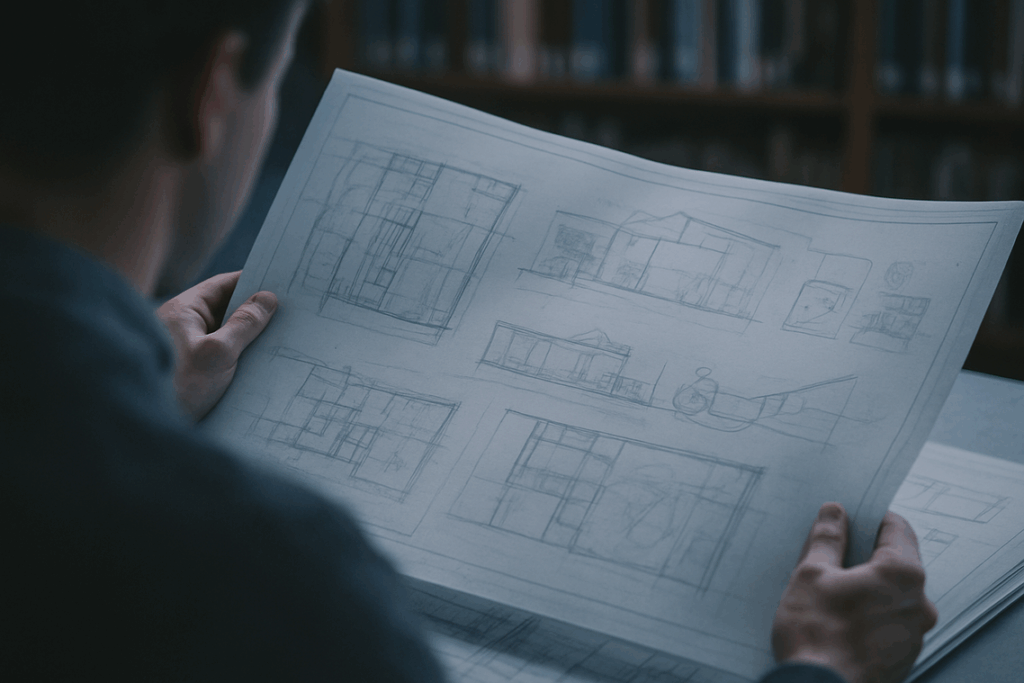
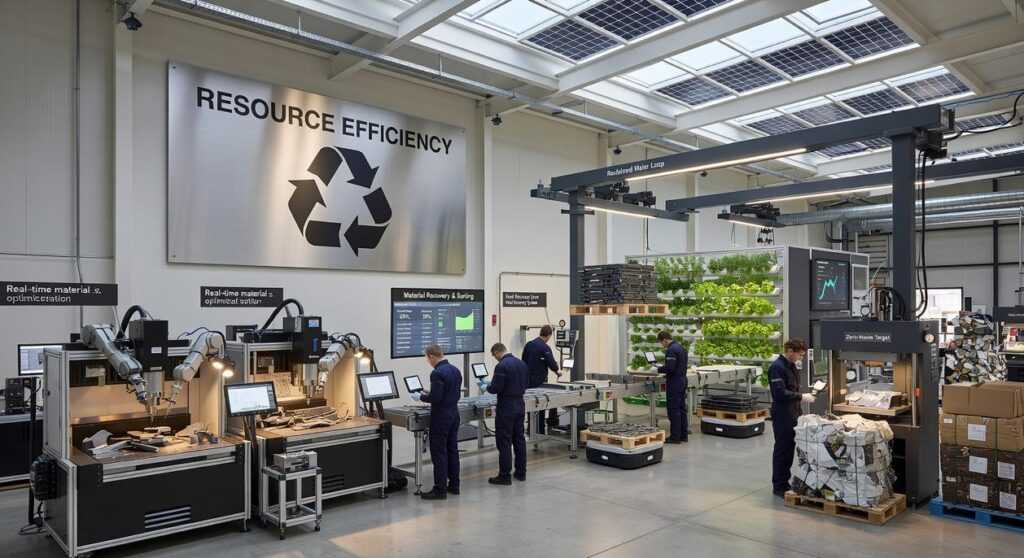
Renovating your home no longer has to mean excess waste, rising energy bills, or materials that compromise your indoor air quality. If you’ve been searching for practical ways to embrace sustainable home upgrades without sacrificing comfort or style, this guide is your starting point. We break down the most effective eco-friendly materials, smart technologies, and renovation methods that reduce environmental impact while improving everyday living. Backed by years of experience tracking smart home innovations and sustainable design trends, our insights focus on solutions that are efficient, cost-saving, and built for a greener, smarter future.
The Foundation: Smart Planning and Sustainable Materials
“WAIT—don’t smash that wall yet,” a contractor once told a homeowner eager to swing the first hammer. That pause is the difference between demolition and deconstruction—the careful dismantling of a space so materials can be reused or donated instead of dumped. The EPA notes that construction debris accounts for over 600 million tons of waste annually in the U.S. (EPA, 2018). Salvaging doors, windows, and hardwood keeps usable materials in circulation (and keeps your budget happier, too).
Choosing Your Core Materials
Not all “green” labels mean the same thing. Reclaimed wood—timber recovered from old barns or factories—reduces logging demand while adding character to flooring, beams, or accent walls. One architect told me, “Old wood tells a story new lumber just can’t.”
Bamboo and cork are fast-growing materials (bamboo can mature in 3–5 years, per WWF). They’re durable, flexible, and ideal for flooring or cabinetry.
Recycled steel and composites use existing metal or blended materials to create strong structural components with lower lifecycle emissions (World Steel Association).
Pro tip: Ask suppliers for third-party certifications like FSC or Cradle to Cradle.
Designing for Efficiency From Day One
Passive design means using layout—not gadgets—to save energy. Think strategic window placement for cross-ventilation and natural light. As one designer put it, “LET THE SUN DO THE WORK.” Proper orientation can significantly reduce heating and cooling loads (U.S. Department of Energy).
- Maximize south-facing windows (in cooler climates)
- Use overhangs to control summer heat
- Plan insulation before finishes
These sustainable home upgrades also support the broader rise of multifunctional spaces in modern homes, where flexibility meets efficiency.
High-Impact Upgrades for Energy and Water Conservation
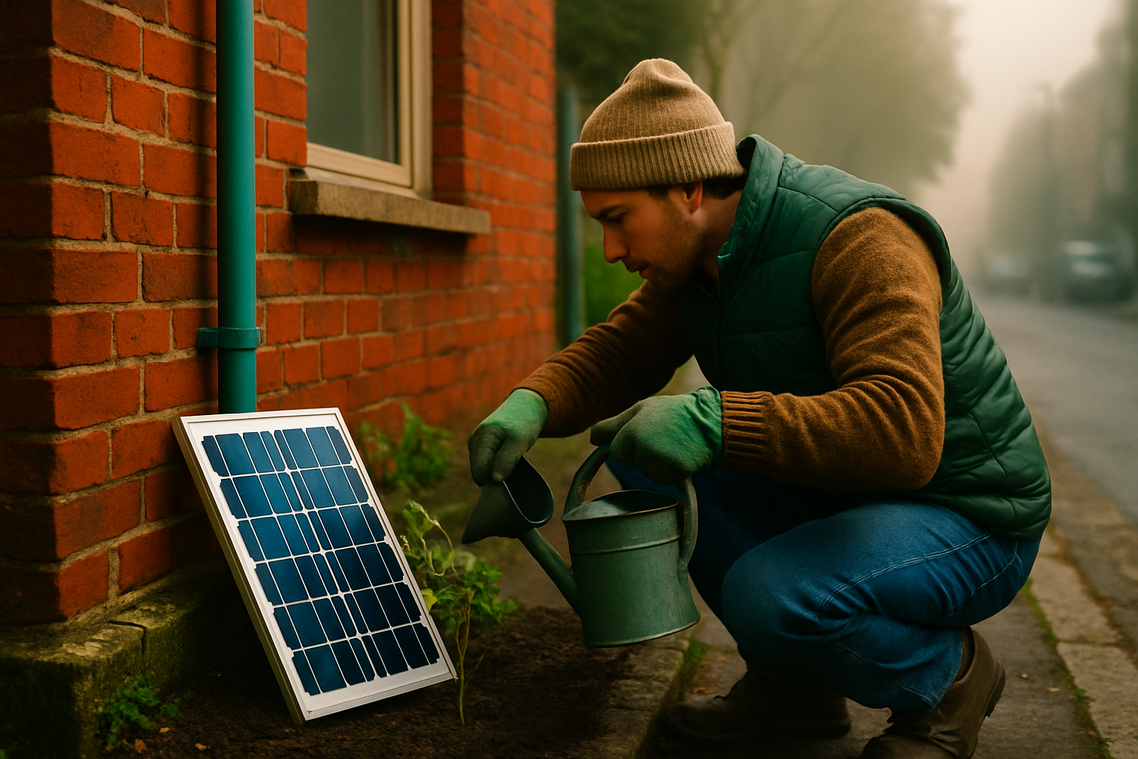
If you want lower utility bills, fewer maintenance headaches, and a more comfortable home, start with the basics. The biggest returns often come from tightening what experts call the building envelope—the barrier between your indoor space and the outdoors. In short, control the envelope, and you control your costs.
Seal the Envelope
First, consider high-performance windows. Modern double- or triple-pane windows use Low-E (low-emissivity) coatings—microscopically thin metal layers that reflect heat while letting light in. Many also include argon gas fills, an inert gas placed between panes to reduce heat transfer. According to the U.S. Department of Energy, energy-efficient windows can cut heat loss by 25–30% (energy.gov). That means steadier indoor temperatures and less strain on your HVAC system (which, let’s be honest, already works hard enough).
Next, upgrade to advanced insulation. Traditional fiberglass slows airflow, but materials like recycled denim, sheep’s wool, or closed-cell spray foam create a tighter seal. Closed-cell spray foam, for example, expands to fill gaps and acts as both insulation and an air barrier. The benefit? Lower heating and cooling bills and improved indoor comfort year-round.
Rethink Your Water Systems
Now, let’s talk water. Low-flow fixtures with the EPA’s WaterSense label use at least 20% less water than standard models without sacrificing performance (epa.gov). That translates directly into lower water bills—especially in larger households.
Meanwhile, on-demand (tankless) water heaters heat water only when needed, unlike traditional tanks that maintain hot water 24/7. The U.S. Department of Energy reports homes can achieve 24–34% greater efficiency with tankless systems (energy.gov). More efficiency, more savings.
Finally, smart water monitors detect leaks in real time and track usage patterns. Catching a hidden leak early can prevent thousands in damage (insurance industry estimates routinely cite water damage as a top claim source).
Together, these sustainable home upgrades deliver comfort, savings, and peace of mind—benefits you’ll notice every single month.
Healthy Interiors: Air Quality and Smart Systems
Healthy interiors start with the air you breathe. Indoor air quality refers to the concentration of pollutants, allergens, and chemicals inside your home. Because we spend about 90% of our time indoors (EPA), even small exposures add up. That said, experts still debate how much low-level, long-term exposure to certain compounds truly impacts healthy adults. The uncertainty doesn’t mean ignore it; it means reduce risk where you reasonably can.
Breathe Easier with Non-Toxic Finishes
Zero-VOC Paints are a practical first step. Volatile Organic Compounds (VOCs) are chemicals that evaporate at room temperature, releasing gases that can irritate lungs and trigger headaches. Zero-VOC options dramatically limit these emissions. However, “zero” can still allow trace amounts depending on tinting, so always check labels carefully (pro tip: request low-VOC colorants).
Similarly, formaldehyde-free cabinetry and flooring matter. Formaldehyde is a preservative used in some adhesives and composite woods; high levels are linked to respiratory issues (CDC). While manufacturers have reduced usage, I’ll admit labeling isn’t always crystal clear. Look for third-party certifications to be safe.
Integrate Smart Automated Efficiency
Next, smart systems improve comfort and efficiency. Smart thermostats learn your schedule and adjust HVAC automatically, cutting energy use by about 8–10% on average (Energy Star). Results vary by climate, though.
Automated lighting—bulbs, dimmers, motion sensors—ensures lights switch off when rooms are empty (no more “Home Alone” energy bills).
Finally, motorized smart blinds track sunlight to support passive heating and cooling.
Together, these features support sustainable home upgrades that feel seamless rather than technical.
Building a Better Home, Today and Tomorrow
You set out to create a home that’s smarter, healthier, and built to last—and now you have a clear roadmap to make it happen. By choosing sustainable materials, energy-saving technologies, and water-conserving fixtures, you’re not just renovating. You’re investing in comfort, efficiency, and long-term savings.
The real cost of inaction is higher utility bills, poor indoor air quality, and outdated systems that hold your home back. sustainable home upgrades solve those problems while increasing value and everyday comfort.
Start with one simple change today—swap in LED lighting or choose zero-VOC paint for your next project. Thousands of homeowners are already building greener, smarter spaces. Take the first step now and future-proof your home.
 Thalira Rothwynd writes the kind of smart interior innovations content that people actually send to each other. Not because it's flashy or controversial, but because it's the sort of thing where you read it and immediately think of three people who need to see it. Thalira has a talent for identifying the questions that a lot of people have but haven't quite figured out how to articulate yet — and then answering them properly.
They covers a lot of ground: Smart Interior Innovations, Connected Living Basics, Home Trends Update, and plenty of adjacent territory that doesn't always get treated with the same seriousness. The consistency across all of it is a certain kind of respect for the reader. Thalira doesn't assume people are stupid, and they doesn't assume they know everything either. They writes for someone who is genuinely trying to figure something out — because that's usually who's actually reading. That assumption shapes everything from how they structures an explanation to how much background they includes before getting to the point.
Beyond the practical stuff, there's something in Thalira's writing that reflects a real investment in the subject — not performed enthusiasm, but the kind of sustained interest that produces insight over time. They has been paying attention to smart interior innovations long enough that they notices things a more casual observer would miss. That depth shows up in the work in ways that are hard to fake.
Thalira Rothwynd writes the kind of smart interior innovations content that people actually send to each other. Not because it's flashy or controversial, but because it's the sort of thing where you read it and immediately think of three people who need to see it. Thalira has a talent for identifying the questions that a lot of people have but haven't quite figured out how to articulate yet — and then answering them properly.
They covers a lot of ground: Smart Interior Innovations, Connected Living Basics, Home Trends Update, and plenty of adjacent territory that doesn't always get treated with the same seriousness. The consistency across all of it is a certain kind of respect for the reader. Thalira doesn't assume people are stupid, and they doesn't assume they know everything either. They writes for someone who is genuinely trying to figure something out — because that's usually who's actually reading. That assumption shapes everything from how they structures an explanation to how much background they includes before getting to the point.
Beyond the practical stuff, there's something in Thalira's writing that reflects a real investment in the subject — not performed enthusiasm, but the kind of sustained interest that produces insight over time. They has been paying attention to smart interior innovations long enough that they notices things a more casual observer would miss. That depth shows up in the work in ways that are hard to fake.