Ever feel like your smart home is more of a hassle than a help? I’ve been there, staring at a drawer full of smart gadgets that refuse to play nice. It’s frustrating.
That’s why I’m diving into the real deal: building a home that’s not just smart but truly intelligent and cohesive. This isn’t about basic setups. I’ve tested and integrated many systems, and I’m here to share what I’ve learned.
You want a home that anticipates needs, not just follows commands, right? Let me guide you beyond the usual smart plugs. This article will be your roadmap for creating a seamlessly integrated living space.
Trust me, with my hands-on experience, you’ll learn to set up future smart home technology that truly works. Ready to get started?
What ‘Advanced’ Really Means: Beyond Just Gadgets
When we talk about future smart home technology, we’re not just talking about flashy devices. A connected home is where you control devices remotely. An automated home? the magic happens.
Devices think for themselves based on your needs. Sounds like sci-fi, right?
The Three Pillars
Let’s break it down. Integration, Proactivity, and Reliability are the big three. Integration is all about getting different brands to play nice.
Imagine an orchestra (everyone’s in sync) versus a room of solo musicians (chaos). You want harmony, not a cacophony.
Proactivity is where things get interesting. Advanced systems use sensors and conditional logic. Like, your lights know when it’s sunset and turn on without you lifting a finger.
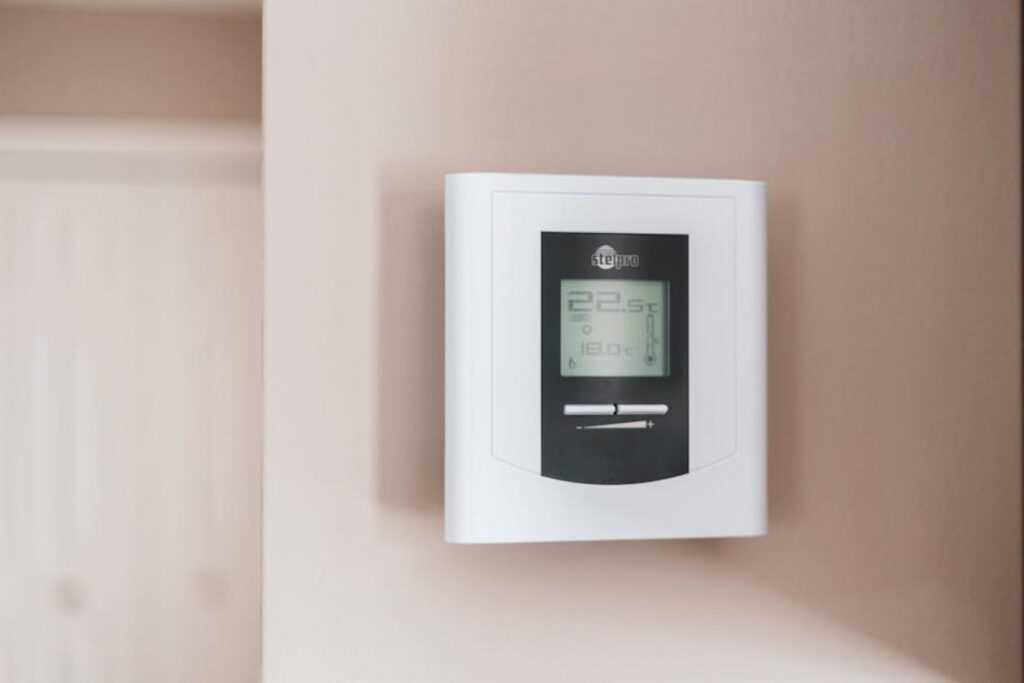
Or your thermostat adjusts based on your location. It’s not about you controlling them; it’s about them understanding you.
Now, reliability is key. A system that works even when the internet is down is gold. Local control ensures your smart home isn’t just smart when your Wi-Fi is.
Because let’s be honest, internet outages happen. You don’t want your house to go dumb every time it does.
Want to dive deeper into these concepts? Check out the Big Trends Home Automation page. It’s a game-changer for understanding what’s next.
So, which do you prefer? A home you control or one that knows what you need? That’s the real question in future smart home technology.
The Brain of Your Smart Home: Hubs and Protocols Made Simple
Choosing the right smart home hub is like picking the brain for your system. It’s your central traffic controller, orchestrating every device in your home. Simple enough, right?
But here’s where it gets tricky: communication protocols. Ever heard of Zigbee, Z-Wave, and Wi-Fi? They’re the unseen force behind future smart home technology.
Zigbee and Z-Wave create their own low-power, reliable mesh networks. Wi-Fi, on the other hand, can bog down your main network. It’s like trying to stream Netflix while your roommate downloads a video game (chaos.)
Now, let’s talk about Matter. It’s the new kid on the block promising to make all these devices play nice together. Imagine never having to worry about compatibility issues again.
Bold claim? Maybe. But it’s aiming to make device integration as smooth as possible.
Considering a hub? You’ve got two main paths. For those who want a straightforward yet solid system, Hubitat is your go-to.
It offers deep customization without the headache of a steep learning curve. Perfect for the user who values local control.
Then, there’s the DIY route with Home Assistant. This one’s for the tinkerers. The type who don’t mind rolling up their sleeves for ultimate control.
It’s a powerhouse that offers massive community support and endless integration possibilities. You want to automate your coffee maker to brew when your alarm goes off? Home Assistant can do that.
But be ready to dive into forums and explore community solutions.
And if you’re wondering where all this tech is headed, check out the future smart home on earth day 2070. The possibilities are mind-blowing. So, what’s your move?
Want user-friendly power or the DIY freedom? Either way, you’re setting the stage for a truly smart home that makes life easier. Or at least more interesting.
True Automation: Beyond the Basics
Ever thought of what future smart home technology can really do? It’s not all flipping lights on and off. to scenarios that push automation beyond simple timers.

Scenario 1: The Intelligent Welcome Home. Imagine this: you’re pulling into your driveway, and your home already knows you’re there (thanks, geofencing). It disarms the security system, opens the garage, lights up the entryway to a cozy 70%, adjusts the thermostat to your ideal temp, and plays your “welcome home” playlist. It’s like a personal assistant without the awkward conversations. This makes coming home less about fumbling for keys and more about stepping into relaxation.
Scenario 2: The Changing Goodnight. Nighttime routines should be smooth. Picture this: your system checks if all doors are locked and windows closed. If everything’s secure, it arms the house, dims all lights except a soft path to the bedroom, and sets the thermostat to a sleep-friendly setting. It’s security without the hassle. And let’s be honest, who wants to check doors right before bed?
Scenario 3: The Subtle Security Alert. Now, think about a late-night alert. If your back door opens after 10 PM, instead of a blaring alarm, your house lights flash red. You get an alert on your phone. You’re in control of how to respond. It’s about reducing panic and giving you peace of mind.
Want more cool automation ideas? Check out navigating privacy connected world. Because knowing your privacy options is just as important as having a smart home.
Local Control vs. The Cloud: Speed Matters
Ever flicked a light switch and waited a beat too long for the bulb to ignite? Frustrating, right? local control shines. Instead of bouncing signals off a server miles away, your commands dart across your living room.
This keeps everything snappy. Fast responses. Instant gratification.
Future smart home technology shouldn’t make you feel like you’re still on dial-up.
Internet down? No problem. Local control means your smart home doesn’t panic when your Wi-Fi takes a nap.
Your lights, security, and climate control. Core home functions. All keep humming as if nothing happened.
You can walk into a room, flip a switch, and bam! The lights are on, no buffering required. It’s reliable as gravity in a smart home world.
Compare this to cloud-dependent systems. When the internet is out, what do you get? Darkness and silence.
Think about it: your daily routines, when you’re home or not, all kept within your walls. It’s like a digital bunker for your personal life. Far fewer privacy risks than letting your info wander the internet.
And let’s talk privacy for a sec. When local is the norm, your data stays home. It’s not jetting off to some server farm, getting ogled by who-knows-what.
So, here’s the real talk: prioritize devices that offer local control for your core systems. The cloud has its place (streaming cat videos, maybe), but not for everything. Remember, what happens in your home should stay in your home.
That’s the real future of smart living.
Build Your Future Smart Home Now
Tired of juggling smart gadgets that just add to the chaos? I get it. The key isn’t more devices, it’s a system.
Focus on integration and local control. the magic happens (fast,) reliable, and private.
Curious about future smart home technology? Start by finding a hub that matches your comfort level and long-term vision. It’s that simple.
You solve the chaos and get a smart home that works for you, not against you.
Ready to make life easier? Research your hub now. Trust me, you’ll wonder why you didn’t start sooner.
 There is a specific skill involved in explaining something clearly — one that is completely separate from actually knowing the subject. Arthuron Grantielos has both. They has spent years working with home trends update in a hands-on capacity, and an equal amount of time figuring out how to translate that experience into writing that people with different backgrounds can actually absorb and use.
Arthuron tends to approach complex subjects — Home Trends Update, Device Integration Tips, Home Automation Protocols being good examples — by starting with what the reader already knows, then building outward from there rather than dropping them in the deep end. It sounds like a small thing. In practice it makes a significant difference in whether someone finishes the article or abandons it halfway through. They is also good at knowing when to stop — a surprisingly underrated skill. Some writers bury useful information under so many caveats and qualifications that the point disappears. Arthuron knows where the point is and gets there without too many detours.
The practical effect of all this is that people who read Arthuron's work tend to come away actually capable of doing something with it. Not just vaguely informed — actually capable. For a writer working in home trends update, that is probably the best possible outcome, and it's the standard Arthuron holds they's own work to.
There is a specific skill involved in explaining something clearly — one that is completely separate from actually knowing the subject. Arthuron Grantielos has both. They has spent years working with home trends update in a hands-on capacity, and an equal amount of time figuring out how to translate that experience into writing that people with different backgrounds can actually absorb and use.
Arthuron tends to approach complex subjects — Home Trends Update, Device Integration Tips, Home Automation Protocols being good examples — by starting with what the reader already knows, then building outward from there rather than dropping them in the deep end. It sounds like a small thing. In practice it makes a significant difference in whether someone finishes the article or abandons it halfway through. They is also good at knowing when to stop — a surprisingly underrated skill. Some writers bury useful information under so many caveats and qualifications that the point disappears. Arthuron knows where the point is and gets there without too many detours.
The practical effect of all this is that people who read Arthuron's work tend to come away actually capable of doing something with it. Not just vaguely informed — actually capable. For a writer working in home trends update, that is probably the best possible outcome, and it's the standard Arthuron holds they's own work to.