
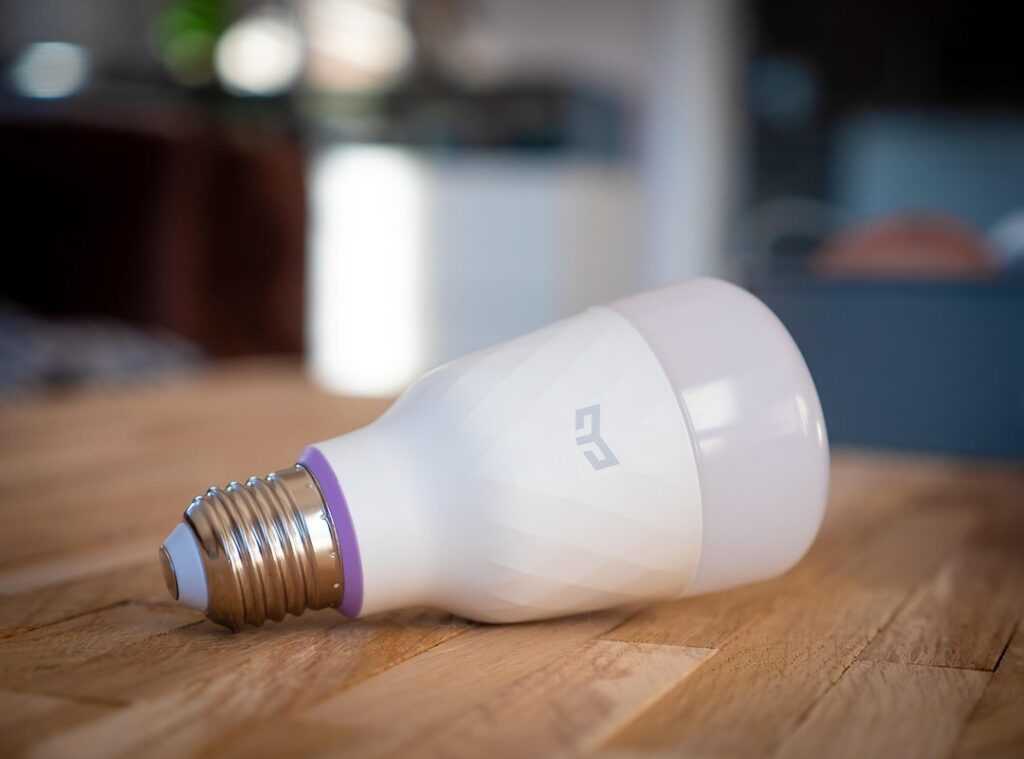
Ever struggled with your home’s lighting setup? I have. It’s maddening trying to get everything just right. smart lighting integration comes in.
It promises to make life easier by connecting your lights to a single system, giving you control with a tap or voice command.
But does it really work? From my experiences, yes (but) only if you know what you’re doing. Smart lighting can transform your home environment, but it requires a bit of know-how.
Not all systems are created equal, and some can be downright frustrating if you’re not prepared.
That’s why I’m diving into the nitty-gritty of smart lighting integration. I’ll share the ins and outs, what actually matters, and how to avoid common pitfalls. You’ll get practical advice and takeaways drawn from real experiences.
By the end, you’ll know if this tech is right for you and how to make it work seamlessly. No more guesswork. Let’s get started.
Connectivity Over Bulbs: Why It Matters
You ever thought about the invisible magic that makes your smart home tick? Let’s talk intelligent lighting connectivity. It’s like the Wi-Fi in your house (we all know how frustrating it is when that’s down).
This is the secret handshake between your lights, switches, and apps. Forget about the bulb’s wattage or color (if) your system’s connectivity is garbage, you’re in for flickering nightmares.
Here’s the deal with good connectivity: it ensures reliability. Your lights should turn on when you tap the app, no questions asked. You want speed, too.
No waiting around for the light to change like you’re in line at the DMV. Oh, and interoperability. Don’t you hate it when tech doesn’t play well together?
Picture a system where nothing responds. Flickering lights, apps that crash. Now contrast that with a setup that works flawlessly.
Good connectivity means different brands can get along, like at a surprisingly civil family dinner.
The choice is clear, right? You want smooth smart lighting integration. For more on how this connects to making voice controlled interiors design a reality, dive into the basics of connected living.
Connectivity is not just a luxury. It’s the backbone of a smart home.
Smart Lighting: Decoding the Languages
When you’re diving into the world of smart lighting, it’s like learning new languages. Don’t worry, I’ve got you covered. Let’s break down these main “languages” or protocols so you can make sense of it all.
First up, Wi-Fi. This is the one most people start with. Why?
It’s easy. No extra hubs or gadgets needed. Your bulbs connect straight to your home network.
But here’s the catch: if you’ve got a lot of devices fighting for bandwidth, things can slow down. You might end up with laggy lights, which honestly, nobody wants. So, think about how many devices you already have on your network before jumping in.
Then there’s Bluetooth (and its cousin, Bluetooth Mesh). Perfect for single-room setups or when you don’t need control outside the house. Imagine you’re sitting in your living room, wanting your lights to dim as you binge-watch a new series.
Bluetooth’s got you. It’s simple, uses low power, and works well for isolated setups. The downside?
Limited range. It’s not great if you’re hoping to control lights across the whole house.
Now, for those who want a little more muscle, there’s Zigbee & Z-Wave. These are for the prosumer crowd (you know, the folks who want reliability and speed without bogging down their Wi-Fi). They create a dedicated mesh network.
What does that mean? Less interference with your internet, more reliability. But, yes, it requires a dedicated hub like SmartThings or Hubitat.
It’s a bit more involved but worth it if you’re setting up a full smart home system.
Finally, the new kid on the block: Matter. This is the universal translator of smart devices. It aims to bridge the gap between all the big players (Apple, Google, Amazon).
Look for the Matter logo to future-proof your setup. It’s a game-changer for smart lighting integration. It promises smooth connections across brands, which is something we’ve all been waiting for.
So, which language fits your needs? If you’re just starting, Wi-Fi might be your best bet. For a more controlled, whole-house setup, Zigbee and Z-Wave are solid.
And if future-proofing is your goal, Matter is your go-to. Smart lighting integration doesn’t have to be complicated. Pick your protocol wisely, and you’ll be speaking the right language in no time.
The Right Connectivity Path for Home Smart Lighting
Finding the right smart lighting integration can be tricky. Do you start small or go all out? Let’s break it down with some real scenarios.

Say you’re just dipping your toes in the smart lighting pool. You’ve got one room in mind and a few smart bulbs to install. Wi-Fi or Bluetooth is your friend here.
Perfect for beginners who aren’t ready to commit fully.
Why? They’re easy to set up and cheap. You don’t need any extra equipment, just your smartphone.
What if you’re all in for a whole-home smart setup? Now, we’re talking serious commitment. You want a Zigbee or Z-Wave system with a hub.
These systems excel with larger homes. They use a mesh network, which just means more stability and fewer gaps. Trust me, reliability is a must-have when you’re lighting up every room.
It’s not just about convenience here; it’s about ensuring everything stays connected consistently.
Now, for the ultimate flexibility, you should go for products supporting Matter. It’s all about future-proofing. Matter ensures your devices play nice with both current and future gadgets.
It sounds technical, but it simply means your devices will still work down the line. You buy smart, you get longevity.
Speaking of longevity, Cutting Edge Smart Furniture offers another layer of modern convenience with its intuitive designs and integrations.
Here’s a quick comparison: Wi-Fi/Bluetooth wins on ease and cost. Zigbee/Z-Wave takes reliability. Matter hits scalability.
Your choice depends on your needs. Are you a beginner or a smart tech enthusiast? Either way, there’s a path for you.
Solving Smart Lighting Annoyances: Quick Fixes
Let’s face it: smart lighting can be a pain sometimes. One big gripe is when your Wi-Fi lights are slow or unresponsive. Ever wondered why?
It’s likely your Wi-Fi is overcrowded. Too many devices hogging the airwaves. You might need to upgrade that old router.
Or, if you’re rocking a big setup, consider switching to a hub-based protocol like Zigbee.
Got a light that keeps disconnecting on the far end of the house? Yep, it’s a range issue. For Zigbee or Z-Wave users, adding another powered device (like a smart plug) to act as a repeater can beef up the mesh network.
Solve that range problem without breaking a sweat.
And then there’s the classic compatibility headache. Your new smart switch doesn’t play nice with existing bulbs. Why?
It’s a protocol mismatch. Always make sure your devices speak the same language. Think Zigbee or a universal translator like Matter.
These simple checks can save you a lot of hassle.
Smart lighting integration isn’t just about gadgets. It’s about making them work together seamlessly. Solve these annoyances, and your smart home becomes a place you actually want to live in.
Trust me, it’s worth it.
Brighten Your Home the Smart Way
The heart of a reliable smart home isn’t just a glowing bulb; it’s the right smart lighting integration. Ever felt the frustration of a flickering, unreliable setup? You’re not alone.
By aligning your lighting’s connectivity (Wi-Fi, Zigbee, Matter) with your specific goals, you sidestep the chaos of a disjointed system.
Think about it: do you want smooth control over a single room or the entire house? That choice makes all the difference. Now, it’s time to dive deeper.
Explore how smart hubs can raise your home’s connectivity. We’re the go-to source for smart home takeaways. Ready to transform your living space into a cohesive, bright haven?
Don’t wait. Discover the best smart home hubs today and bring your vision to life.
 Thalira Rothwynd writes the kind of smart interior innovations content that people actually send to each other. Not because it's flashy or controversial, but because it's the sort of thing where you read it and immediately think of three people who need to see it. Thalira has a talent for identifying the questions that a lot of people have but haven't quite figured out how to articulate yet — and then answering them properly.
They covers a lot of ground: Smart Interior Innovations, Connected Living Basics, Home Trends Update, and plenty of adjacent territory that doesn't always get treated with the same seriousness. The consistency across all of it is a certain kind of respect for the reader. Thalira doesn't assume people are stupid, and they doesn't assume they know everything either. They writes for someone who is genuinely trying to figure something out — because that's usually who's actually reading. That assumption shapes everything from how they structures an explanation to how much background they includes before getting to the point.
Beyond the practical stuff, there's something in Thalira's writing that reflects a real investment in the subject — not performed enthusiasm, but the kind of sustained interest that produces insight over time. They has been paying attention to smart interior innovations long enough that they notices things a more casual observer would miss. That depth shows up in the work in ways that are hard to fake.
Thalira Rothwynd writes the kind of smart interior innovations content that people actually send to each other. Not because it's flashy or controversial, but because it's the sort of thing where you read it and immediately think of three people who need to see it. Thalira has a talent for identifying the questions that a lot of people have but haven't quite figured out how to articulate yet — and then answering them properly.
They covers a lot of ground: Smart Interior Innovations, Connected Living Basics, Home Trends Update, and plenty of adjacent territory that doesn't always get treated with the same seriousness. The consistency across all of it is a certain kind of respect for the reader. Thalira doesn't assume people are stupid, and they doesn't assume they know everything either. They writes for someone who is genuinely trying to figure something out — because that's usually who's actually reading. That assumption shapes everything from how they structures an explanation to how much background they includes before getting to the point.
Beyond the practical stuff, there's something in Thalira's writing that reflects a real investment in the subject — not performed enthusiasm, but the kind of sustained interest that produces insight over time. They has been paying attention to smart interior innovations long enough that they notices things a more casual observer would miss. That depth shows up in the work in ways that are hard to fake.